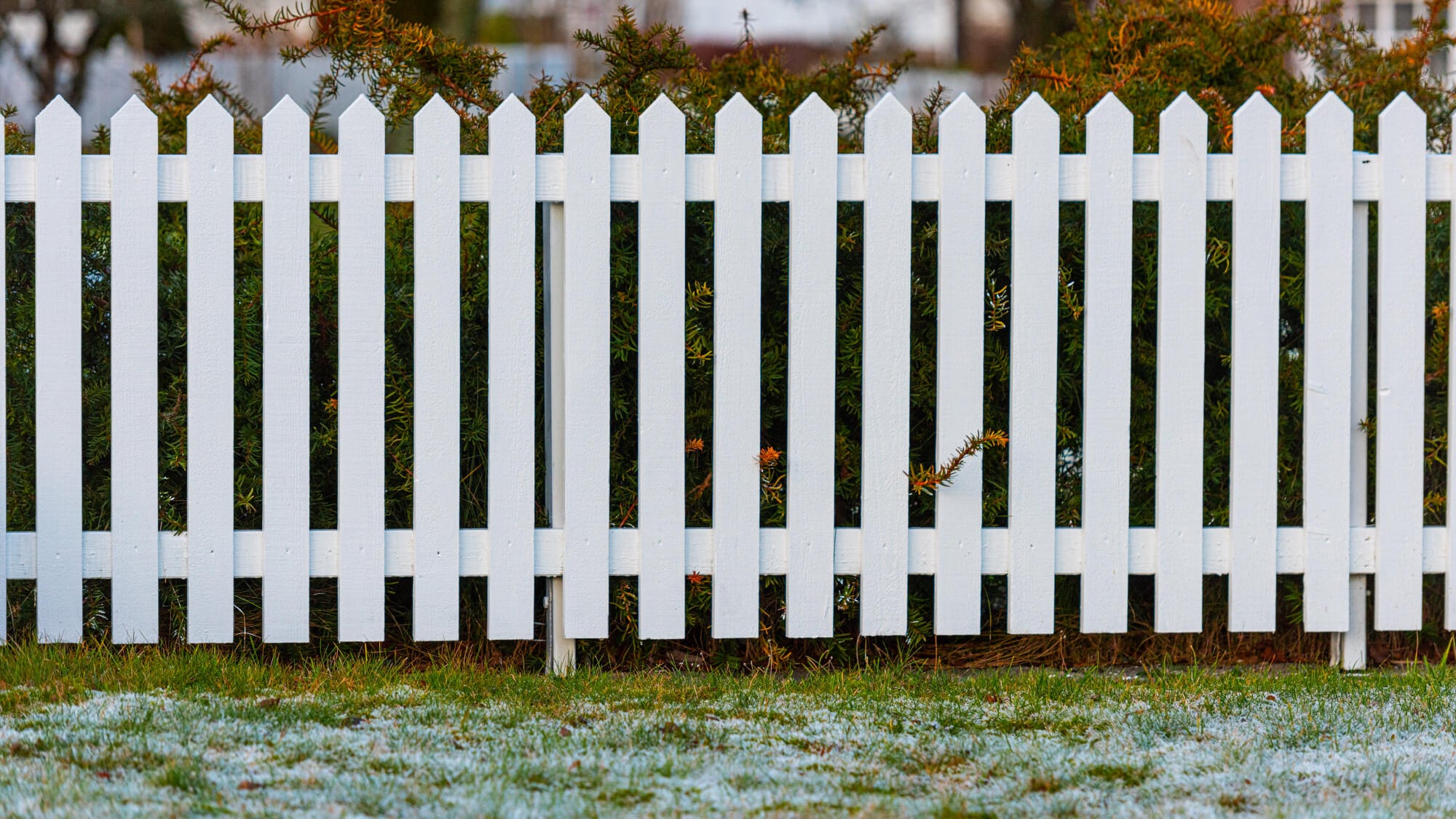
Effective fence maintenance involves checking more than boards and paint. Homeowners should inspect soil conditions, drainage, nearby plants, and structural supports for hidden damage. Regular attention to these areas can help prevent serious problems and extend a fence's useful life.
A fence can look perfectly fine from your back porch. Move closer, however, and you may notice something different.
Wet soil surrounds a wooden post. Thick vines cover a damaged board. A gate no longer closes without a push.
Small warning signs often appear before major damage becomes obvious.
Rain, heat, and growing vegetation can gradually weaken the boundary around your yard. Ignoring those changes may lead to much larger repairs.
Good fence maintenance starts with knowing where to look. A very careful inspection can help you spot problems early, protect your property, and keep your yard looking its absolute best.
How Often Should You Inspect Your Fence?
Inspect your fence at least once a year, preferably during spring or fall. Additional checks are useful after heavy storms or prolonged rainfall.
The University of Georgia Cooperative Extension recommends checking fences for damage that could lead to wood rot. During your inspection, look for:
- Loose or damaged boards
- Soft or rotting wood
- Unstable posts
- Rusted fasteners
- Soil erosion
Pay special attention to sections hidden behind shrubs or outdoor structures. Regular inspections give you a much clearer picture of your fence's condition before minor damage spreads.
What Is the Best Way to Maintain a Wooden Fence?
Effective wood fence upkeep combines regular cleaning, moisture control, protective finishes, and timely repairs.
Begin by removing dirt and organic debris with a soft brush and mild cleaning solution. Allow the wood to dry before checking for damage.
Protective stains and sealants can reduce moisture absorption. Make sure to follow the coating manufacturer's instructions for preparation and reapplication.
A white-wash fence may require additional attention because worn finishes and discoloration can affect its appearance. Consistent wood fence upkeep helps preserve both the appearance and strength of your outdoor boundary.
Check the Soil Around Fence Posts
Fence posts depend on stable ground for support. Changes in soil conditions can affect how securely each post stays in place.
Excess moisture may contribute to wood decay. Erosion can also expose foundations or weaken the surrounding soil.
Look for gaps between the post and the ground. Pay attention to soil that appears washed away or unusually soft. A leaning fence may indicate movement beneath the surface rather than damage to the boards.
Pay Attention to Drainage Along the Boundary
Standing water deserves attention during any yard inspection. Rainwater may collect near posts when the ground slopes toward the fence. Sprinklers can create similar problems when they repeatedly soak the same area.
Watch where water travels after rainfall. Persistent puddles may suggest:
- Compacted soil
- Blocked drainage
- Grading problems
Consider adjusting sprinkler direction or correcting minor drainage issues where appropriate. Significant pooling may require professional advice. Keeping water away from vulnerable wooden components is an important part of preventing deterioration.
Manage Plants Without Neglecting the Landscape
Attractive fence line landscaping can soften a yard's appearance. Poorly managed plants, however, may conceal damage.
Dense shrubs make inspections very difficult. Climbing vines can grow between panels and add weight to weakened sections.
Grass and weeds can also spread around post bases. Maintaining accessible space around the fence makes routine care easier.
Homeowners managing weeds in adjoining turf may research selective herbicides from PBI Gordon Turf for appropriate, labeled applications. Choose products based on the target weeds and grass type. Follow label instructions and protect nearby ornamental plants from spray drift.
Thoughtful fence line landscaping should balance appearance, plant health, and access for maintenance.
Look Beyond a Leaning Fence
A leaning fence is not always caused by a single loose board. Possible causes include:
- Shifting soil
- Weakened posts
- Damaged supports
- Pressure from nearby vegetation
Check whether several connected panels tilt in the same direction. Movement across multiple sections may signal a foundation problem. Small gaps around fasteners can also indicate that joints are under stress.
Professional fence repair may be necessary when posts are unstable or structural supports have failed. Replacing a damaged board without addressing the underlying problem may only provide a temporary improvement.
Match Surface Care to the Fence Material
Different fence materials require different cleaning methods.
Wooden fences may need periodic sealing or painting. Metal fences benefit from inspections for corrosion and damaged protective coatings. Vinyl panels generally require gentle cleaning to remove dirt and surface buildup.
A white-wash fence should be checked for:
- Peeling finishes
- Exposed wood
- Uneven weathering
Avoid aggressive cleaning methods that could damage protective surfaces. Before starting fence repair, identify whether the problem involves:
- Appearance
- Hardware
- Structural stability
Understanding the material helps you choose the right maintenance approach.
Frequently Asked Questions
Can Tree Roots Damage Fence Posts?
Tree roots can affect fence stability when they grow close to post foundations. Expanding roots may disturb nearby soil or place pressure on buried supports. Large roots can also complicate drainage and future repairs.
Look for:
- Raised ground
- Displaced foundations
- Changes in post alignment near mature trees
Avoid cutting major roots without professional guidance. Removing important roots can harm the tree and potentially create a safety concern. An arborist can help assess root-related problems before major work begins.
Should You Check Property Lines Before Repairing a Fence?
Property boundaries matter when repairs involve replacing posts, moving panels, or rebuilding shared sections. An existing fence does not always mark the exact legal property line. Be sure to review available surveys, property records, and applicable local requirements before changing the fence's location.
Homeowners associations may also have rules covering:
- Fence height
- Materials
- Appearance
Discuss shared-boundary work with neighboring property owners before construction begins.
Clear communication can help prevent disagreements about:
- Access
- Placement
- Responsibility
A surveyor may be needed when the legal boundary remains uncertain.
Make Fence Maintenance Part of Your Regular Yard Care
Effective fence maintenance begins with attention to the areas homeowners often overlook. Soil, drainage, vegetation, hardware, and structural supports all influence long-term fence performance. Small problems are much easier to manage when you recognize them early.
Make boundary inspections part of your regular outdoor care. Also, remember to explore our other guides and articles for more practical advice on protecting and maintaining your home.
This article was prepared by an independent contributor and helps us continue to deliver quality news and information.


