CHARLOTTE — Right now, if you flush a toilet at the Northlake Mall, the water and waste will travel 26 miles to Pineville. In the spring, that water and waste will go to a new facility near the Whitewater Center instead. The new wastewater treatment plant will play a key role as Mecklenburg and Gaston Counties develop.
After flushing, most people don’t give their waste a second thought, but it must go somewhere.
Next year, if you live in northwestern Mecklenburg County or in eastern Gaston County like Belmont and Mount Holly, the waste will go to the new Stowe Regional Resource Recovery Facility.
“We call ourselves caretakers of the Catawba,” Charlotte Water Director Angela Charles said. “It is really a transformative project for the whole region.”
The Stowe Regional Resource Recovery Facility is Charlotte’s newest wastewater treatment plant. The $665 million project is the first of its kind in nearly half a century. It’s been planned for decades.
“Back in the late ’80s, our director and assistant directors at that time said, ‘You know what? We really need to have a regional wastewater treatment facility because of you know where Belmont and Mount Holly are located versus where Charlotte is,’” Charles said. “They cast that vision.”
0 of 8


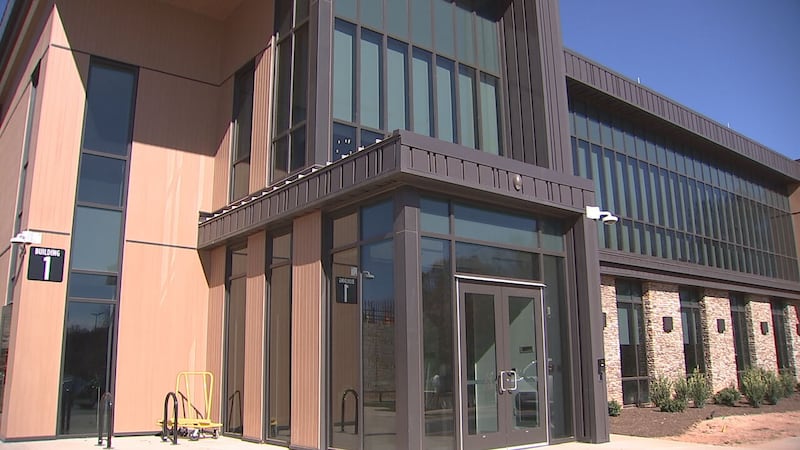


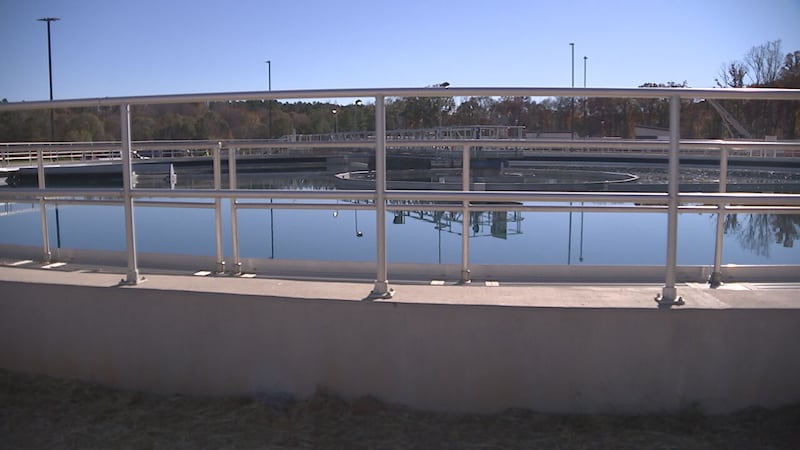
Channel 9 toured the sprawling campus. Charlotte Water showed where solids are removed from the water, where water is stored in day tanks, and the overflow basin.
Two 36-inch pipes travel under Long Creek to bring the water from one part of the campus to another for clarification. It’s there that any remaining solids will be separated from the water.
The water then travels to BNR. In this section, microscopic bugs will remove nitrogen and phosphorus by eating added glycerin, or sugar water. This reduces the amount of nutrients that pass through people before the water reenters the Catawba.
The more the bugs eat, the bigger they get. They settle to the bottom of the water, and the treated water moves on for polishing, a final cleaning. It goes through UV lights at the second-to-last station to kill any remaining pathogens. The water then falls down concrete steps to add air bubbles. This oxygenates the water before it re-enters the Catawba and flows downstream.
“This is just the perfect location to intercept our sewer and to just treat the way we need to more efficiently,” Charles said.
Charles knows most people pay no mind to where their flush goes. But she wants residents to know there is a dedicated team that works around the clock to make sure everything goes with the flow.
“I have the phrase wash, brush, and flush, and we have over 1,300 water professionals who are working 24/7 to make sure that we take care, and provide water and wastewater services in the region,” she said.
The new facility is expected to treat 15 million gallons of water a day. It has the capacity to treat up to 25 million gallons of water a day.
©2026 Cox Media Group


