CHARLOTTE — A North Carolina mother is sharing her experience with postpartum depression, anxiety, and obsessive-compulsive disorder to help other parents recognize symptoms and seek medical care.
Samantha Reaves welcomed her first child, George, in July 2020 and now leads support groups after spending months trying to find answers for her undiagnosed mental health conditions.
The effort comes amid increased national conversations surrounding maternal mental health following high-profile cases, including the Massachusetts trial of Lindsay Clancy, whose defense attorneys argued she suffered from postpartum psychosis when she was accused of killing her three children.
Advocates and clinicians stress that postpartum conditions are treatable medical issues that can surface months after childbirth, rather than just in the immediate weeks following delivery.
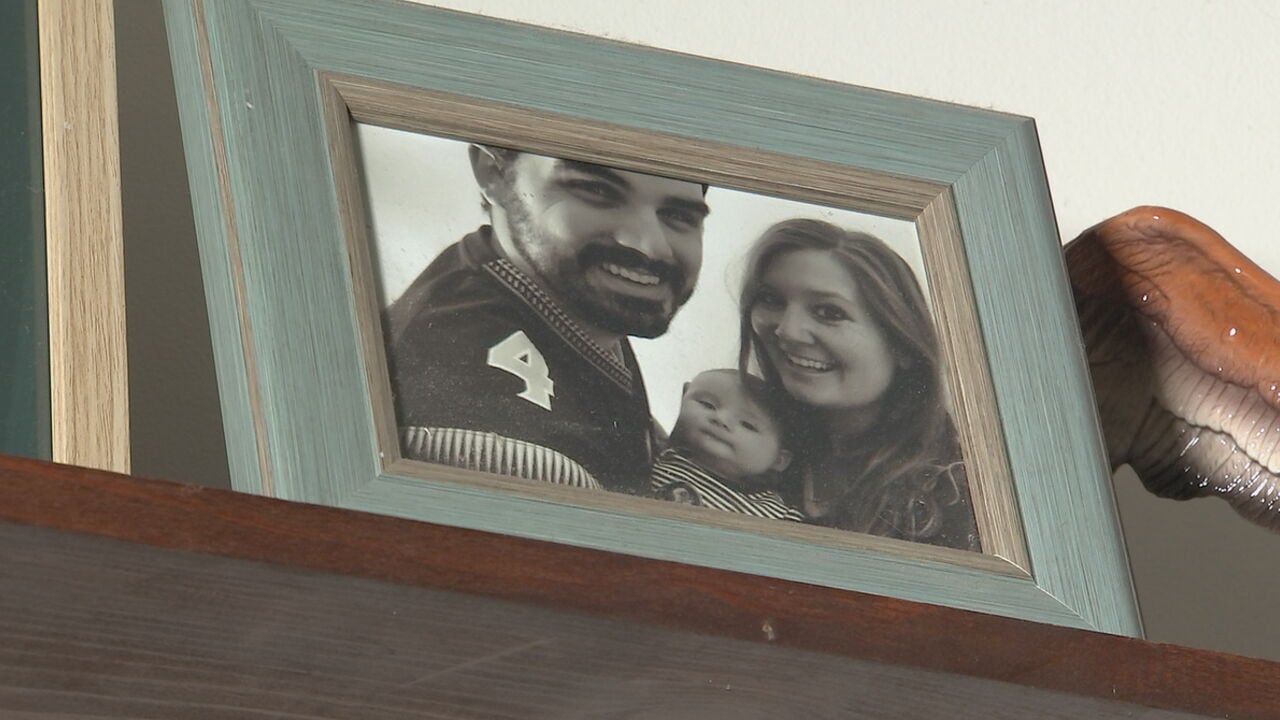
Pictures of George and his younger sister, Nancy, fill the home of Reaves and her husband. Reaves said she had always wanted to have children and the couple was eager to start their family.
When George was born during the early months of the coronavirus pandemic, life felt isolating, but Reaves said everything initially went well.
The onset of her illness began months later when she started weaning her son from breastfeeding. Reaves recalled experiencing intrusive thoughts, obsessions, crying spells, panic attacks, and chronic lightheadedness, which a medical provider later identified as a physical symptom of anxiety. She shared photos from that period on Instagram to help depict the severity of what she was experiencing.
“It wasn’t until I started to wean from breastfeeding, which was actually like six to eight months into his life, that I really started to have any like postpartum symptoms,” Reaves said. “It felt so intense and real to me, and very distressing.”
She struggled to find answers at first. Even though she contacted her doctors for medical help, her condition went undiagnosed for several months as she dealt with feelings of despair.
“It just felt really overwhelming, and at times it felt kind of hopeless,” Reaves said. “Like, not that I was feeling hopeless in the sense of, like, you know. That I didn’t want to be here, but hopeless in the sense of I really was unsure if I was going to get better.”
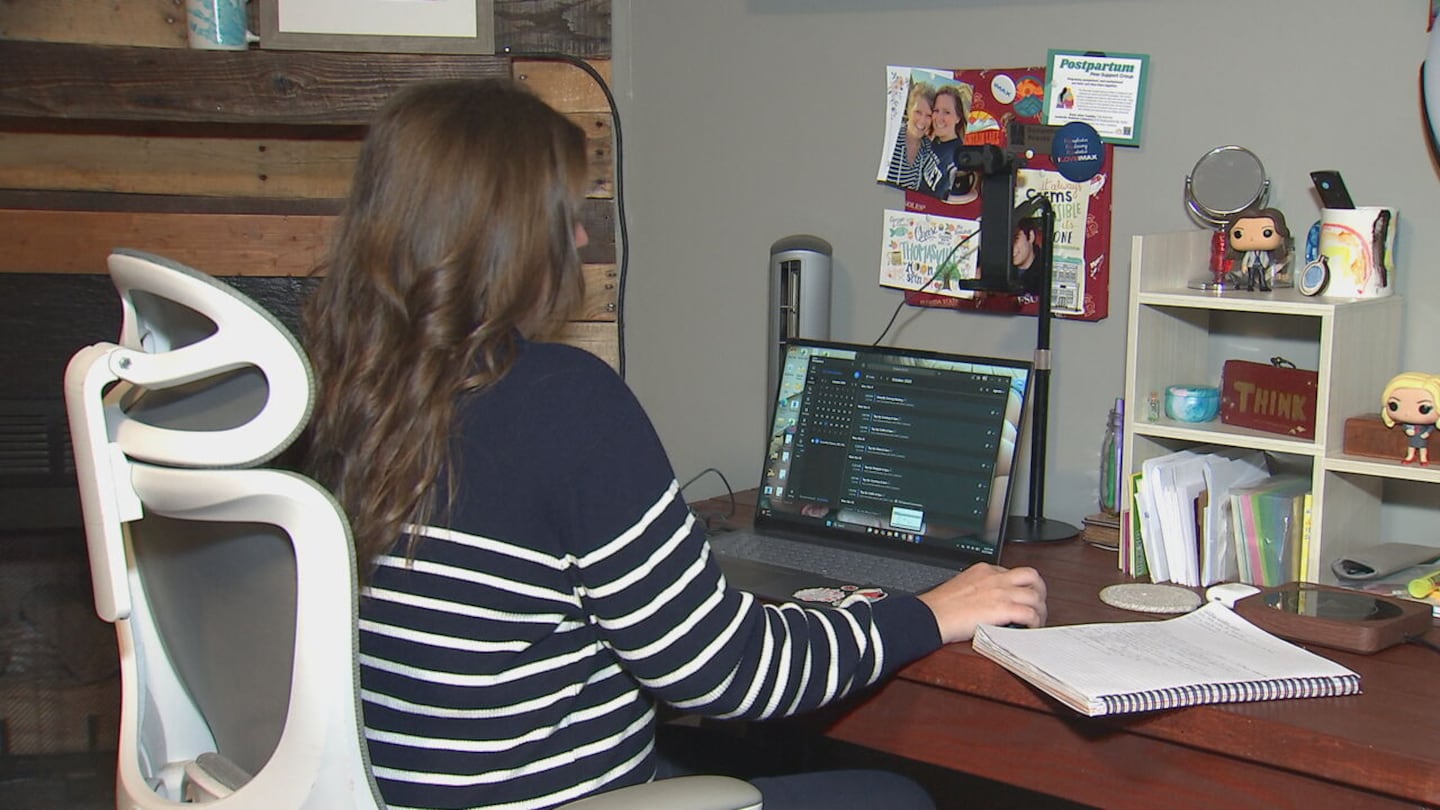
Reaves eventually found Postpartum Support International, which connected her with a peer support group.
That connection guided her toward professional medical care, including treatment from a psychiatrist, prescribed medication, and counseling sessions alongside the group meetings.
“Connecting with other moms who are going through the same thing or something similar was hands down the most profound, the most healing, and restoring hope that I would feel better,” Reaves said. “I just feel like privileged to be able to have gotten through that honestly, the darkest season of my life. To sit and like hold space for people in this way.”
Health care professionals note that postpartum challenges frequently extend well beyond the traditional six-week recovery window.
Charise Atiba, a licensed clinical social worker with Novant Health, emphasized that families and health care providers must expand their view of postpartum health across the infant’s entire first year.
“Six weeks sounds like a lot of time, but when you just give birth, it is not a lot of time at all,” Atiba said. “And we need to look past those six weeks. We need to look at the year mark.”
Atiba explained that both mothers and fathers can experience postpartum mood complications. She warned that persistent feelings of worry, sadness, fear, or irritability are clear signs that someone needs medical evaluation. Additional warning signs include withdrawing from loved ones, difficulty caring for oneself or the infant, and thoughts of self-harm or harming others.
“This is a big change,” Atiba said. “There’s a lot of psychological changes, a lot of physical changes that you experience. But if you find that it’s persistent and it’s intense, and you know it’s longer than two weeks, it’s longer than a month. This is an opportunity to say, ‘Hey, I need help.’”
Reaves emphasized that parents should never feel embarrassed or hesitant to reach out for clinical assistance when symptoms appear. “This can happen to anyone, and there is not, there’s no shame in that,” Reaves said.
Resources remain available for parents seeking care, including postpartum support online. In addition, Novant Health offers virtual and in-person postpartum support groups, patient screenings for new mothers, and mental health therapists placed directly inside obstetrics and gynecology practices.
©2026 Cox Media Group


