
North Carolina State House District 82 covers parts of the Concord and Harrisburg areas.
Republican Brian Echevarria will face Democratic candidate Chris Bishopp in the midterms.
Echevarria has not responded to our candidate guide questionnaire.
If we receive his response, we will publish it here.
Chris Bishopp (D)
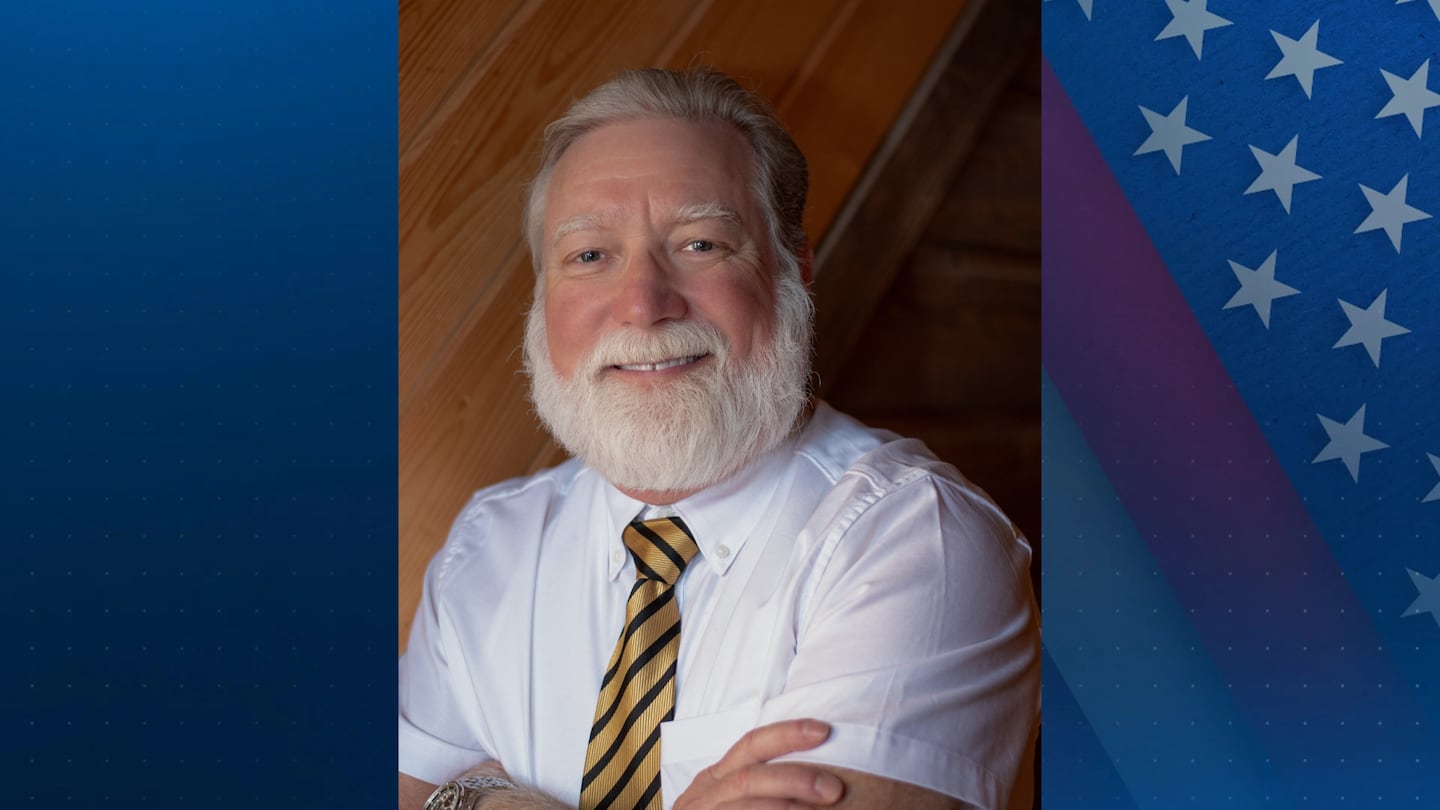
Why are you running?
I am running to represent NC House District 82 because I believe the people of our district deserve a true choice and a representative who will put their needs ahead of party politics, special interests, and powerful corporations. Public office should be about service, accountability, and ensuring that every person has a meaningful voice in the decisions that affect their family and community.
I strongly believe in protecting free and fair elections, expanding opportunity, and making sure our government works for everyone — not just those with the most influence or resources. Our communities deserve leadership that listens, brings people together, and addresses issues that affect their everyday lives, including quality public education, good-paying jobs, affordable housing and healthcare, safe communities, and economic opportunity.
Are you in favor of the three constitutional amendments on North Carolina’s ballot? Why or why not?
Property tax amendment: I am against this amendment. Decisions about property taxes are best made by the local governments that understand the local economy and needs. There are 100 counties in this state, and they are very different. This amendment could require lawmakers in Raleigh to limit increases in local property tax levies, without telling voters what those limits would be. Depending on how those limits are written, this amendment could force cuts to services such as police, fire, and EMS, as well as funding for public schools and infrastructure. Local governments could face pressure to make up for the shortfalls through other means, such as user fees and sales tax. A statewide restriction risks overlooking the differences each municipality faces. Some are facing tremendous growth, while others are struggling with a shrinking economy, and some are somewhere in between. Voters deserve to know the actual limits and safeguards before being asked to put this requirement in the Constitution. “Trust us” is not a policy anyone should be comfortable voting for. The big winners, if this amendment passes, would be large corporations that already are getting a windfall from the decreasing corporate income tax.
3.5% cap on income tax: I am against this amendment. First, it could restrict future funding if the need arises due to a recession, another natural disaster, population growth, or the need for increased funding for schools, infrastructure, healthcare, or public safety. Second, it could shift the tax burden to other revenue sources, such as sales tax and fees, or force service cuts. Sales tax in particular takes a larger share of lower-income households’ earnings, in turn making the overall tax system more regressive. We should preserve the flexibility to respond to future needs, rather than lock a tax-rate ceiling into our Constitution.
Expanded voter ID: I am against this amendment. North Carolina already has a voter ID requirement for both in-person and absentee voting, with exceptions for eligible voters who cannot reasonably provide an acceptable ID. This amendment would extend the Constitution’s existing in-person requirement to all voting methods, making it more difficult to change in the future without constitutionally protecting those exceptions. I am concerned that narrowing those safeguards could create additional barriers for seniors, students, voters with disabilities, and military personnel serving away from home. The data shows that voter fraud is practically non-existent. This is a solution looking for a problem and just another attempt at voter suppression.
What should the state do about data centers?
First, we should institute a temporary moratorium on any new data center construction until we fully understand the impact on the environment, water resources, electric grid, and local communities. Second, we need legislation with explicit standards to ensure that the environment and resources are protected and that the local community is not forced to shoulder the burden with higher electricity rates and adverse effects to their local environment. Attorney General Jeff Jackson has proposed a separate rate schedule for these facilities, which I fully support. Once these regulations are in place, the ultimate decision should rest with the local governments.
CMS has faced numerous controversies over the past month, what, if anything, should state lawmakers do?
I am not a resident of Mecklenburg County, nor are CMS schools in NC House District 82, so I will not make a judgment on this issue.
What legislation will you pursue to bring down costs?
The North Carolina House Democratic Caucus has put forward an affordability agenda — introducing multiple bills that Republican leadership has not advanced — because families can no longer wait for the legislature to act on the cost-of-living crisis. Current General Assembly leadership refuses to adequately fund education, healthcare, mental health, public safety, and basic infrastructure. Democratic-proposed legislation such as HB 1063, the Ratepayer and Resource Protection Act; HB 1057, the Affordable Food Act; HB 1059, the Fair Minimum Wage Act; and HB 1175, the Affordability in Healthcare Act are just a few of the bills that have been submitted as part of this agenda. I will fight for these proposals and work to build the support needed to pass them, regardless of which party holds the majority.
What sets you apart from your opponent?
My approach is to always have the best interest of the people of this county guiding my decision-making. I believe big business in general, and Duke Energy in particular, have too much sway over the decisions being made by the GOP-controlled General Assembly, and my opponent is too willing to go along with that agenda. I also believe we need a nonpartisan redistricting committee to end gerrymandering and develop fair maps that do not violate citizens’ rights to have their vote count and manipulate our political system to keep one party or group in power. My opponent is on the House Select Committee on Redistricting that has approved all of this gerrymandering.
©2026 Cox Media Group

/cloudfront-us-east-1.images.arcpublishing.com/cmg/LH3JSJEF3VBLRJLJQESEAG34AM.png)


