
North Carolina Senate District 43 is centered in Gaston County and covers Mount Holly, Belmont, Dallas, Bessemer City, Cramerton and Ranlo.
Brad Overcash (R)
We will add a response once it is received.
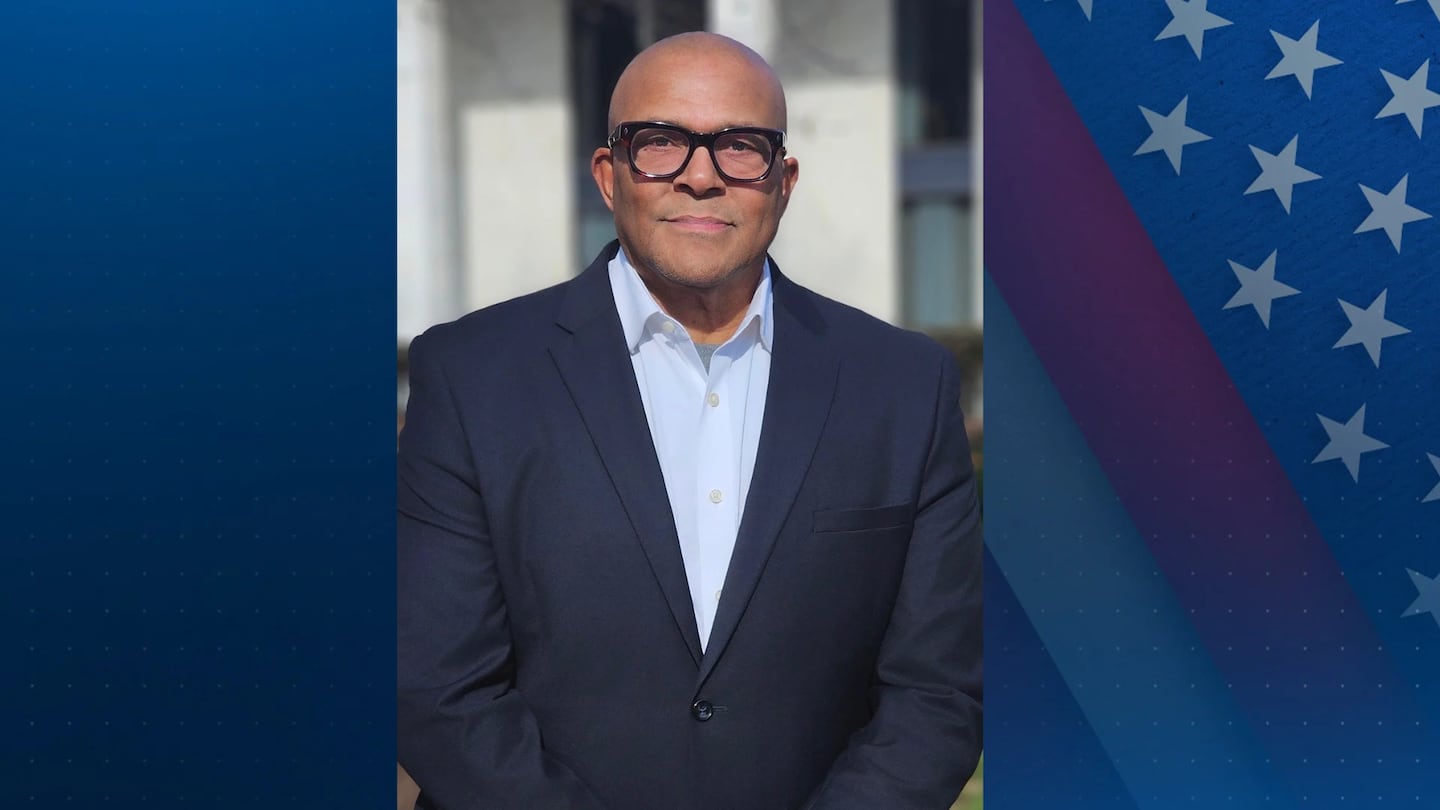
Steve Rutherford (D)
Why are you running?
I’m running because Gaston County is growing, but too many people feel like they are being left behind.
I’m a Gaston County native, a Navy veteran, a husband, father, grandfather and a small-business owner. I’ve spent much of my life serving, listening to people and telling their stories. I believe government works best when it remembers who it works for.
I want to strengthen public education, bring better-paying jobs to Gaston County, improve infrastructure and make sure our growth improves the lives of the people who already call this community home. I’m not running to build a political career. I’m running to serve.
Are you in favor of the three constitutional amendments on North Carolina’s ballot? Why or why not?
My Answer to all 3 is No.
I look at constitutional amendments differently from ordinary legislation. The Constitution should establish enduring principles, not lock today’s political or tax policies into place when future generations may face very different circumstances.
On the property-tax amendment, I understand why homeowners want protection from rapidly rising property taxes, particularly seniors and families being priced out of communities they helped build. But I also want to make sure any statewide restriction doesn’t prevent local governments from funding essential services. I favor meaningful property-tax relief targeted toward homeowners who need it most.
On reducing the constitutional income-tax ceiling from 7% to 3.5%, I am concerned about permanently restricting the ability of future legislatures to respond to circumstances we cannot predict today. Tax rates can be debated and changed through legislation without putting that limitation into our Constitution.
On expanding the constitutional photo-ID requirement to all methods of voting, my standard is simple: elections should be secure, but every eligible North Carolinian should also have a reasonable and accessible opportunity to vote. Any voter-ID requirement must include practical exceptions and cannot become an unnecessary barrier to lawful voting.
What should the state do about data centers?
North Carolina should welcome technology and economic development, but we should not write blank checks to data centers.
These facilities can consume enormous amounts of electricity and water and require substantial infrastructure. Before approving major projects, the state should require transparency about their energy and water demands, infrastructure needs, environmental impact and the number and quality of permanent jobs they will actually create.
Most importantly, ordinary families and small businesses should not see their utility bills increase because massive data centers need additional generation or grid infrastructure. The companies creating those costs should bear them.
Economic development should benefit the community hosting it — not simply the company receiving the incentive.
CMS has faced numerous controversies over the past month. What, if anything, should state lawmakers do?
What has happened at Charlotte-Mecklenburg Schools deserves a thorough and independent investigation. When public money is involved, taxpayers deserve transparency and accountability.
But I would also be careful about Raleigh using a crisis as an excuse to micromanage a locally elected school board. Let the State Auditor, SBI and education officials follow the evidence and determine what happened. If laws were broken, people should be held accountable. If weaknesses in state law or financial oversight contributed to the problem, then the General Assembly should address those weaknesses.
And through all of this, we cannot lose sight of the people who had nothing to do with the controversy: students, teachers and families. They should remain the priority.
What legislation will you pursue to bring down costs?
Affordability is bigger than one tax cut.
I want to address the costs families encounter every month: housing, utilities, health care, child care, transportation and property taxes.
I would support targeted property-tax relief for seniors and lower- and middle-income homeowners, stronger consumer protections and utility oversight, policies that expand affordable housing, and investments in workforce development and public education that help North Carolinians qualify for better-paying jobs.
We also have to recognize that affordability isn’t simply about lowering what people pay. It is also about raising what working people can earn.
My goal is straightforward: if North Carolina’s economy grows, working families should feel that growth in their own household budgets.
What sets you apart from your opponent?
I respect anyone willing to serve in public office, but Brad Overcash and I bring very different life experiences to this race.
I’m a Gaston County native. I served 20 years in the United States Navy. I’ve run a small business. I’ve raised a family. And as a documentary filmmaker, I’ve spent years sitting across from people, listening to their stories and learning about lives very different from my own.
I’m not coming to Raleigh as a career politician. I’m bringing the perspective of someone who has worked, served, struggled, built a business and lived in this community.
I don’t expect everyone in District 43 to agree with me on every issue. I do expect them to know that I’ll listen to them, whether they’re Democrats, Republicans or unaffiliated.
At the end of the day, I’m not running to represent a party. I’m running to represent the people of Gaston County..
©2026 Cox Media Group

/cloudfront-us-east-1.images.arcpublishing.com/cmg/LH3JSJEF3VBLRJLJQESEAG34AM.png)


