
North Carolina State Senate District 44 covers Cleveland, Gaston, and Lincoln counties.
Ted Alexander (R)
We will add a response once it is received.
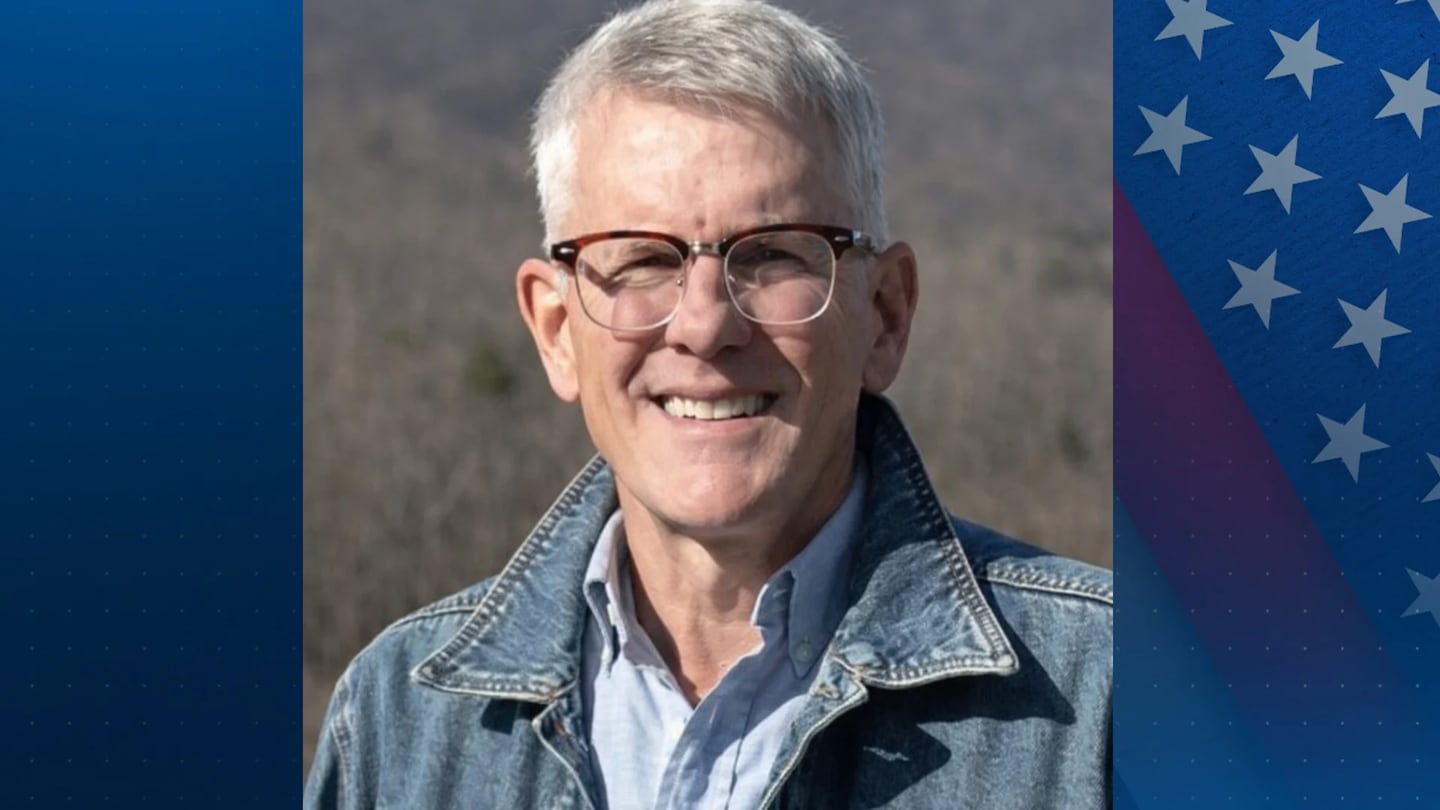
Rod Powell (D)
Why are you running?
I’m a retired public school teacher from Casar who spent 30 years teaching history and civics. I’m running because the concerns I hear across Cleveland County, Lincoln County, and Cherryville deserve more attention in Raleigh. People are struggling with housing, child care, medical bills, and the everyday cost of living. Our public schools need dependable funding, and our communities need roads, water systems, and services that can keep up with growth. Through teaching and community volunteer work, I’ve seen how these problems affect families. I want to bring that experience to the General Assembly and stay available to the people I represent.
Are you in favor of the three constitutional amendments on North Carolina’s ballot? Why or why not?
No. I oppose all three. North Carolina already requires photo identification for voting in person and by mail, with exceptions provided by law. I don’t see a need to expand the constitutional requirement. Lowering the constitutional income tax cap from 7 percent to 3.5 percent would limit future choices for funding schools, health care, and other public needs. My concern is that it could put more pressure on sales taxes and fees that take a larger share of working families’ income.
The property tax amendment would require the legislature to set limits on increases in local property tax levies, while leaving the details for later legislation. Voters deserve to know those details before changing the Constitution. I support property tax relief for people who struggle to stay in their homes, particularly older residents on fixed incomes. I also want our towns and counties to have the means to provide schools, emergency services, and infrastructure.
What should the state do about data centers?
The state should require clear information about a proposed data center’s electricity demand, water use, noise, and infrastructure costs before it is approved. Residents deserve to know what is being proposed near their homes and have a meaningful chance to speak. Local governments should have the authority to set conditions and turn down projects that their communities cannot support.
Data center companies should pay the costs their projects create. Families and small businesses should not be left paying for new power lines, generating capacity, or water improvements built to serve these facilities. I would support enforceable protections for utility customers, water conservation requirements, and public reporting. Any tax incentives should be weighed against lasting jobs and the full public cost.
CMS has faced numerous controversies over the past month. What, if anything, should state lawmakers do?
As a retired teacher, my first concern is how this turmoil affects students, school employees, and public trust. State lawmakers should support an independent examination of spending and contracts, require cooperation with investigators, and use the findings to determine whether stronger safeguards are needed. Allegations need to be investigated, and conclusions need to rest on evidence.
I would support clearer requirements for contract approval, disclosure of conflicts of interest, and public access to spending records, while protecting confidential student and personnel information. Local voters should retain control of their school board. The legislature’s responsibility is to ensure accountability and help keep the district focused on educating children.
What legislation will you pursue to bring down costs?
I would pursue legislation to expand child care assistance and help providers recruit and keep qualified workers. Families need affordable care, and employers need workers who can depend on it. I would also support stronger oversight of pharmacy benefit managers, the companies that help determine prescription coverage and payments, so patients and independent pharmacies can see how prices and fees are set.
On housing, I would support measures to curb large corporate purchases of single-family homes and help communities expand affordable housing with adequate infrastructure. I would pursue utility protections that require large industrial customers, including data centers, to pay the costs they create. I also support restoring a refundable state earned income tax credit. Alongside those measures, I favor a phased increase in the minimum wage, with time and practical support for small businesses to adjust.
What sets you apart from your opponent?
I bring 30 years of classroom experience and regular community service to this race. I’ve worked with students and families, loaded food into cars at distributions, and talked with people who are having a hard time making ends meet. Those experiences shape the questions I would ask before casting a vote.
My priorities include keeping public education dollars in public schools, raising the minimum wage in stages, protecting access to health care, and giving communities a meaningful say in growth and development. I’m willing to work with anyone who will help address those needs. People should be able to reach their senator, ask a hard question, and hear a clear explanation of a vote. That is the kind of representation I intend to provide.
©2026 Cox Media Group

/cloudfront-us-east-1.images.arcpublishing.com/cmg/LH3JSJEF3VBLRJLJQESEAG34AM.png)


