CHARLOTTE — Cheryl Oliver kept a journal through a hard time in her life. She turned the thoughts she left on the page into a book.
The book focuses on the time she lost her mother and father to Alzheimer’s.
“I would say, basically, that’s when I grew up,” she said. “Because my life had been pretty easy until I experienced the Alzheimer’s with both parents. It was shocking.”
Oliver said she later realized that her parents’ siblings likely suffered from the same illness. And that it may be in her future, too.

“It was a slow process,” she said. “I started reading everything I could about Alzheimer’s, talking to everybody I knew, and just trying to figure out what was ahead for me.”
In Winston-Salem, scientists at the Alzheimer’s Disease Research Center are analyzing everything about the disease.
Dr. Goldie Byrd is a professor of social sciences and health policy at the Wake Forest University School of Medicine. She is passionate about the topic.
“It’s robbing us of our life, vitality, our memories,” she said.
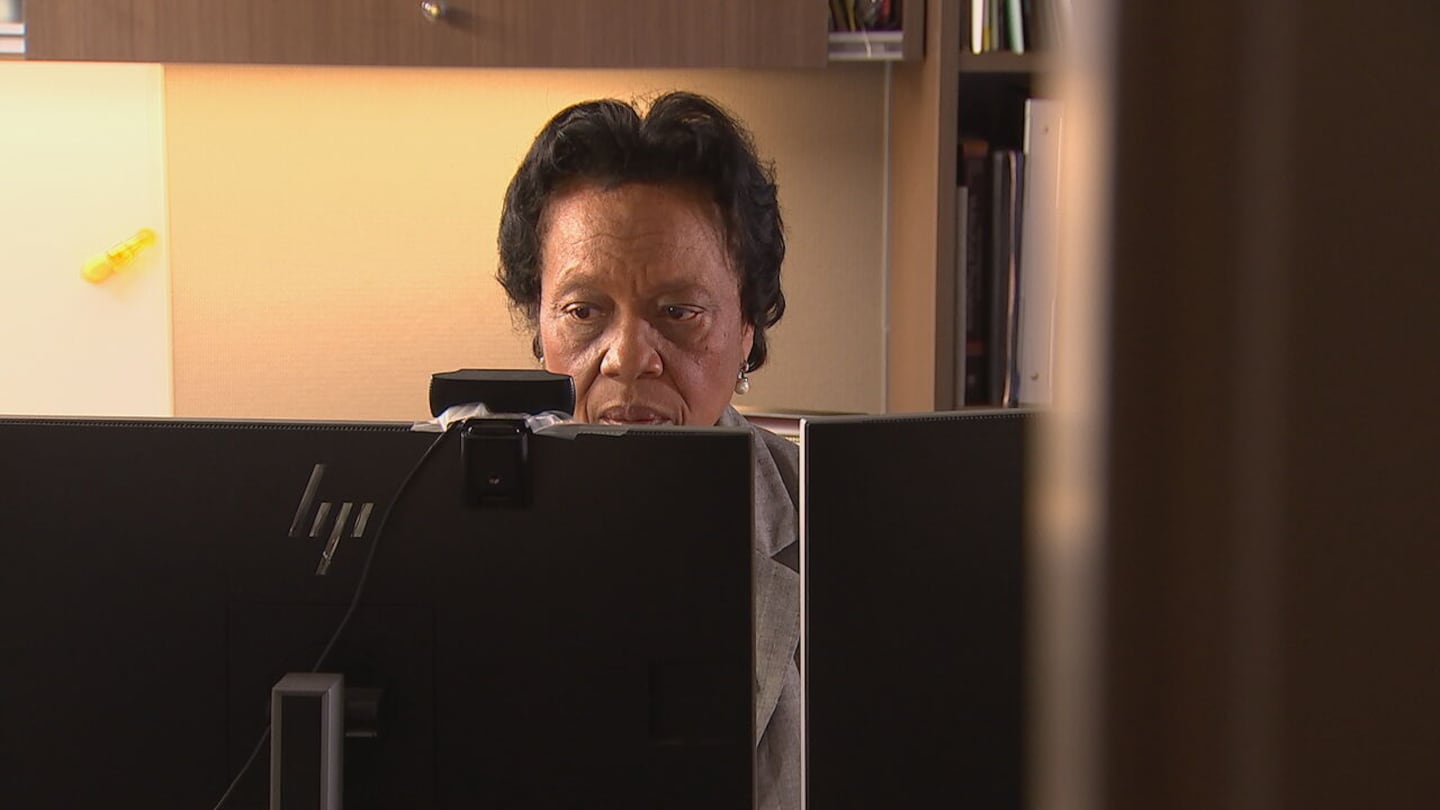
Byrd has been studying Alzheimer’s for nearly 25 years.
“One of the things that we’re very excited about with regard to risk is the Lancet Commission’s report that describes 14 areas of 14 things we can do in early life, midlife, and late life,” she said. “That report suggests that if we do these things, we could reduce the incidence of dementia by about 44%. Now that’s very exciting.”
The report breaks down risk factors.
In early life, less education can increase the risk by 5%.
In mid-life, not addressing hearing loss can increase risk by 7%, and high LDL cholesterol can increase the risk by another 7%.
Later in life, social isolation increases the risk by 5% and not addressing vision loss can increase the risk by 2%.
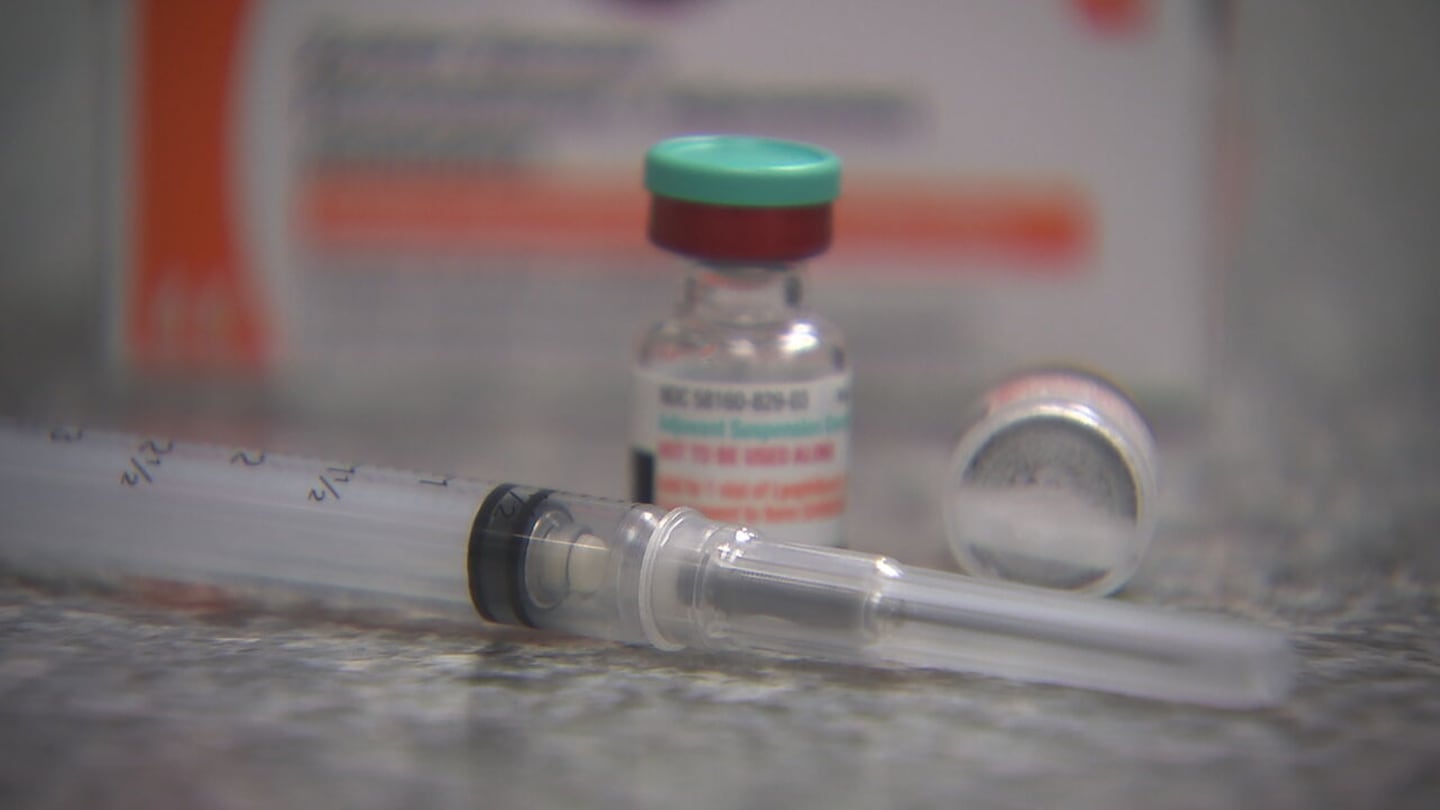
A Stanford study found that the shingles vaccine can stop the onset of Alzheimer’s. And for older adults who have already been diagnosed with the disease, it can slow its progress and keep them from dying of it.
“It reduces risk by about 20 to 30% of getting Alzheimer’s, and then of dying about the same,” Byrd said. “Somewhere between 20 and 30% of dying from Alzheimer’s disease.”
The center at Wake Forest is one of only 33 in the country receiving NIH funding focused on Alzheimer’s.
Researchers said they need people in the Carolinas to join studies to help them find answers about the disease.
Knowing her family history, Oliver said she appreciates the advancements.
She has already been vaccinated for shingles. She said she wants to be proactive and enjoy life.
“I want to do things I haven’t really experienced before that I’m able to do physically, right?” she said. “And I’m going to start taking Pilates to try to live a little longer.”
Anyone who wishes to help with Alzheimer’s research studies can join the NC Registry for Brain Health or the DAWN Alzheimer’s Research Study.
©2026 Cox Media Group
/cloudfront-us-east-1.images.arcpublishing.com/cmg/LH3JSJEF3VBLRJLJQESEAG34AM.png)


