CHARLOTTE, N.C. — A state lawmaker is calling for changes in the way North Carolina's Ethics Commission is operating.
That commission was established six years ago after a political scandal involving House Speaker Jim Black, but Eyewitness News discovered commissioners are not checking the accuracy of financial reports filed by elected leaders and other public servants – critics call it a loophole that needs to be closed.
After Black went to prison in 2007, state legislators, including Sen. Dan Clodfelter, created the North Carolina Ethics Commission.
"People ought to be able to have a way to find out what somebody's connections are, so they know if you have an interest in a matter you're regulating," said Clodfelter.
The tool chosen to hold public officials accountable is the statement of economic interest, the SEI, which asks for information about income, business relationships, and ownership of stocks and real estate worth more than $10,000.
But how accurate is that information?
Several months ago Eyewitness News began investigating an anonymous tip questioning the SEIs filed by Clyde Smith Jr., who runs the Cleveland County Water System and serves on the State's Environmental Management Commission.
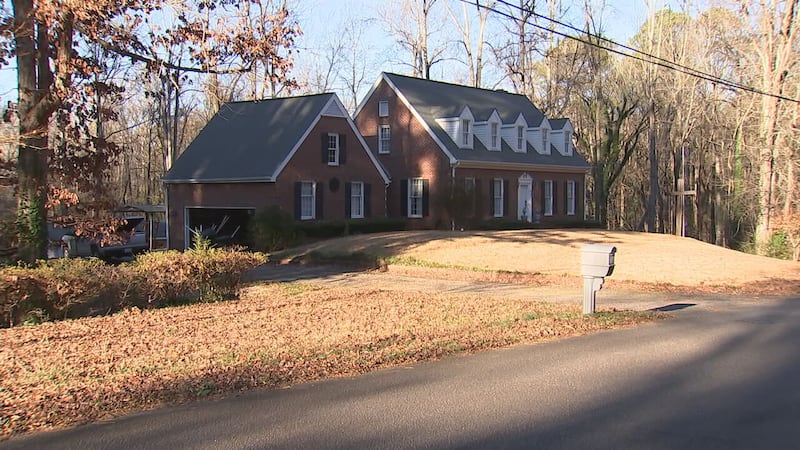
In 2011, Smith checked a box saying he owns no real estate. He repeated the claim in 2012 and again just last month, but when Eyewitness News searched property records, Eyewitness News found three pieces of property that he owns – 40 acres in rural Rutherford County worth more than $300,000, plus two rental houses.
Eyewitness News went to Smith's office to ask him about it, but he was not there.
Smith did speak with Eyewitness News by phone the next day, he said he misunderstood the process, but admitted his three properties should have been listed.
"What I will do, I will get ahold of Ethics and I will tell them that I made a mistake on it, in understanding, and I will change that," said Smith.
Eyewitness News wanted to talk with the Ethics Commission about why it does not follow up and check the accuracy of the information on statements of economic interest.
Public servants are required to file.
The executive director at its Raleigh office declined the request for an on-camera interview, but did agree to answer some questions in writing.
Perry Nelson said that while failing to disclose information on an SEI is a crime, that he has neither the staff nor the resources to audit SEI's, but Clodfelter doubts many legislators know about that.
"I am glad you caught this," said Clodfelter.
He said finding money in the state budget to pay for at least some random audits is critical for the Ethic's Commission's credibility.
"This is a pretty important item. I mean, the integrity of folks who are serving in public office is one of the highest priorities. If the request were made for those funds I hope it would be looked on faborably," said Clodfelter.
That could be a tough sell in a budget cutting legislature, but political watchdog Chris Fitzsimon said trust in the financial disclosures of public officials in on the line.
"If there is not enforcement provision to make people fill these things out correctly, and knowing they could be discovered, it does really make you wonder what the point is?" said Fitzsimon.
That kind of skepticism is not likely to change until the Ethics Commission does.
Eyewitness News' investigation has prompted conversations inside the Ethics Commission about how to increase tax accountability.
Members said they would be in favor of performing random audits if the legislature provides the funding.
This year the commission received more than 5,000 statements of economic interest.
WSOC
/cloudfront-us-east-1.images.arcpublishing.com/cmg/LH3JSJEF3VBLRJLJQESEAG34AM.png)