
House District 67 encompasses Stanly County. In the race for House District 67, two Democrats are vying in the primary, Jocelyn Torres and Roddrick Howell.
Torres did not respond to our candidate guide questionnaire. If we receive a response, we will post it here.
The winner of this primary will face Republican Cody Huneycutt in November.
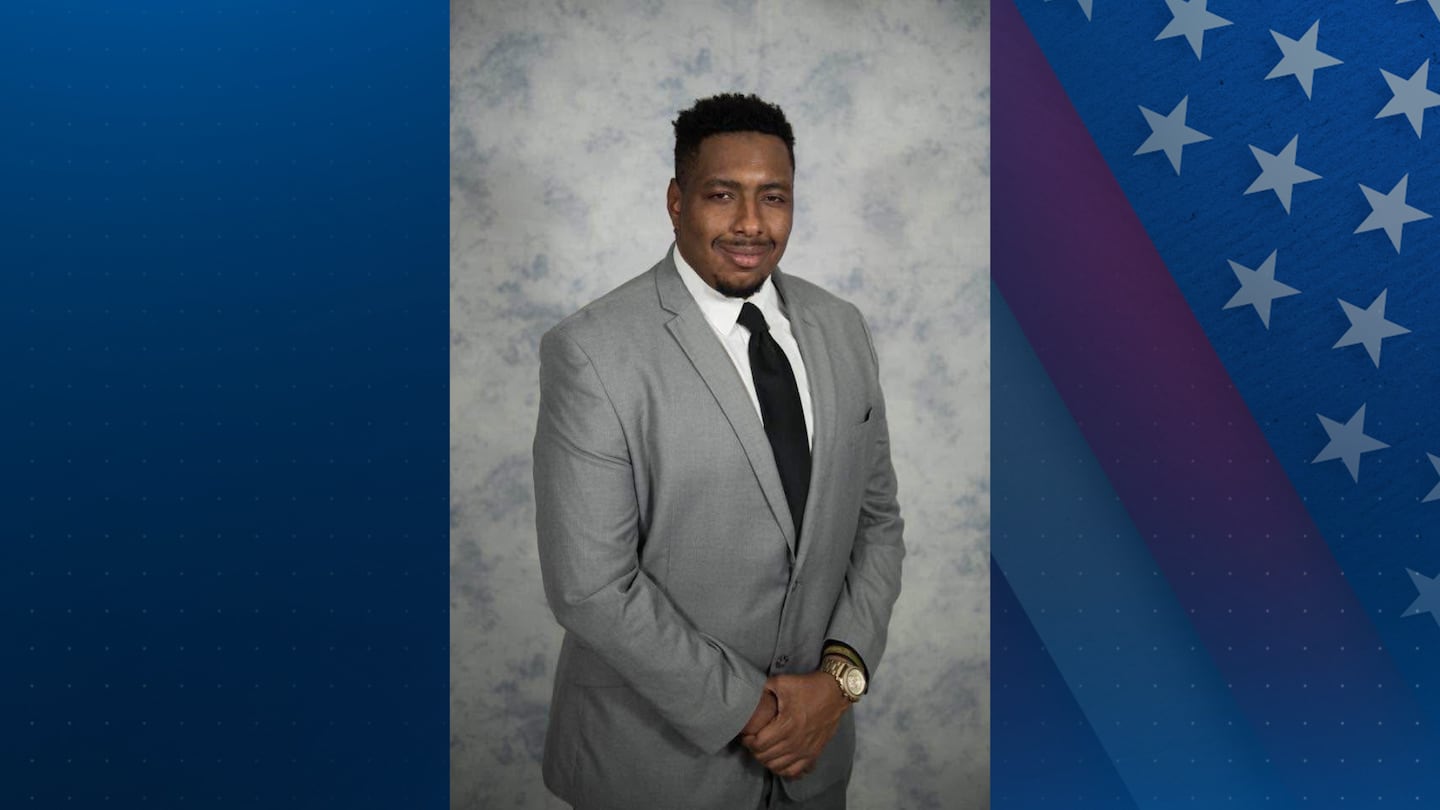
Roddrick Howell (D)
What is your occupation?
I work in community engagement, workforce development, and public service. My background includes work with youth and families through the North Carolina Department of Public Safety, service with the NAACP, and work within the Stanly County school system as a substitute teacher. My professional focus has been helping people connect to opportunity, education, and stability.
Why are you running?
I’m running because too many families in our district feel like the system isn’t working for them — whether that’s finding good-paying jobs, accessing healthcare, or feeling safe in their communities. District 67 deserves leadership that understands rural and small-town challenges firsthand and is committed to practical solutions, not political division. I want to help build stronger communities where people can work, live, and raise their families with dignity.
What is the top priority for your district and how do you plan to address it?
The top priority for District 67 is economic opportunity — making sure people can find stable, good-paying jobs close to home. That means investing in workforce development, strengthening partnerships between community colleges and local employers, supporting small businesses, and expanding training opportunities in healthcare, manufacturing, and skilled trades. Economic growth must be tied directly to local hiring and long-term community stability.
Following recent events, including the murder of Iryna Zarutska on Charlotte’s light rail, how do you plan to address concerns surrounding violent crime and mental health in the state?
Public safety and mental health must be addressed together. We need stronger coordination between law enforcement, mental health services, and community-based intervention programs. That includes expanding access to crisis response teams, increasing behavioral health resources in rural areas, and ensuring individuals in crisis receive treatment before situations escalate. Supporting law enforcement while investing in prevention and mental health infrastructure is the balanced approach our communities need.
In light of rising costs and federal changes, should the legislature fully fund Medicaid to ensure coverage remains in the state?
Yes. Healthcare access is essential for working families, seniors, and rural hospitals. Fully funding Medicaid helps ensure people receive preventive care instead of relying on emergency services, which ultimately lowers long-term costs. It also supports healthcare jobs and helps keep rural healthcare systems financially stable.
What is your position on abortion? Should North Carolina pursue additional abortion restrictions?
I believe this is a deeply personal and complex issue. Decisions surrounding pregnancy should involve individuals, their families, their faith, and their doctors. My focus is on reducing the need for abortion by expanding access to healthcare, education, contraception, and economic support for families. I do not believe additional restrictions that create medical uncertainty or limit access to care are the right path forward.
What sets you apart from your opponents?
What sets me apart is my direct experience working with people facing real challenges — in schools, in the justice system, and in community organizations. I’m not running to represent a political party; I’m running to represent people. I bring a collaborative approach, a focus on practical solutions, and a commitment to making sure rural and small-town communities are not left behind in state decision-making.
WATCH >> Political Beat Preview: NC District 55

©2026 Cox Media Group
/cloudfront-us-east-1.images.arcpublishing.com/cmg/LH3JSJEF3VBLRJLJQESEAG34AM.png)


