CHARLOTTE — Charlotte residents can now register their yards as natural habitats, a new program designed to protect pollinator gardens from potential code violations while supporting the city’s environmental and climate goals.
This is the first year Charlotte residents can register their yards as natural habitats. It’s a move gardeners and wildlife enthusiasts hope will get folks to rethink what their lawn can be.
>>CLICK HERE to read more WSOC climate stories
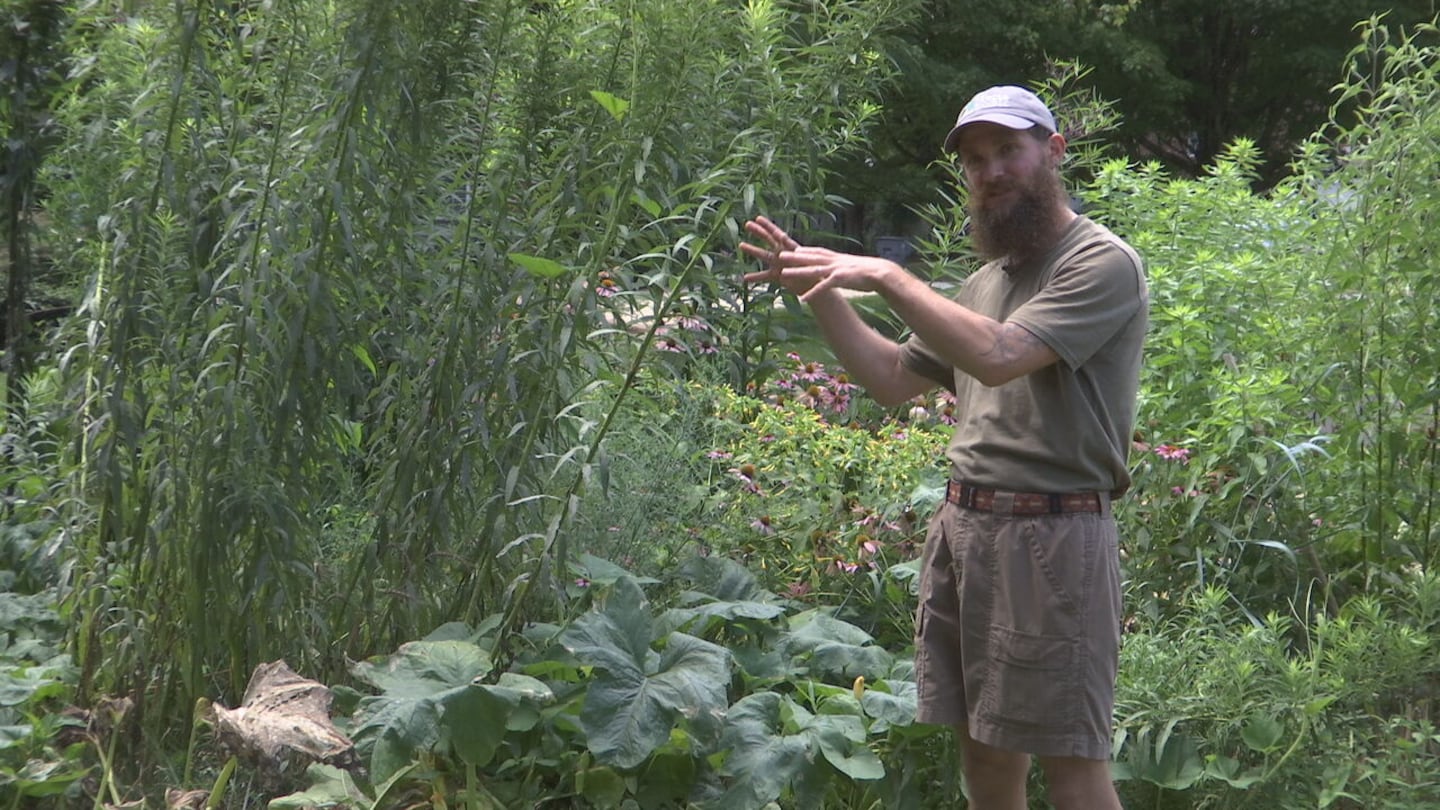
“All of these stems from the goldenrod and from the ironweed and a bunch of other stuff, have pits or hollows in them and a lot of native bees that we love,” said Murray, a gardener. “They sleep in there, and they lay their eggs in there.”
He also understands that to most people, towering plants aren’t usually a sign of a healthy yard.
“We have been trained by modern landscaping to expect a very certain kind of look,” he said.
Murray asked the city council to differentiate intentionally planted pollinator gardens from overgrowth.
Murray asked city council to make the exemption.
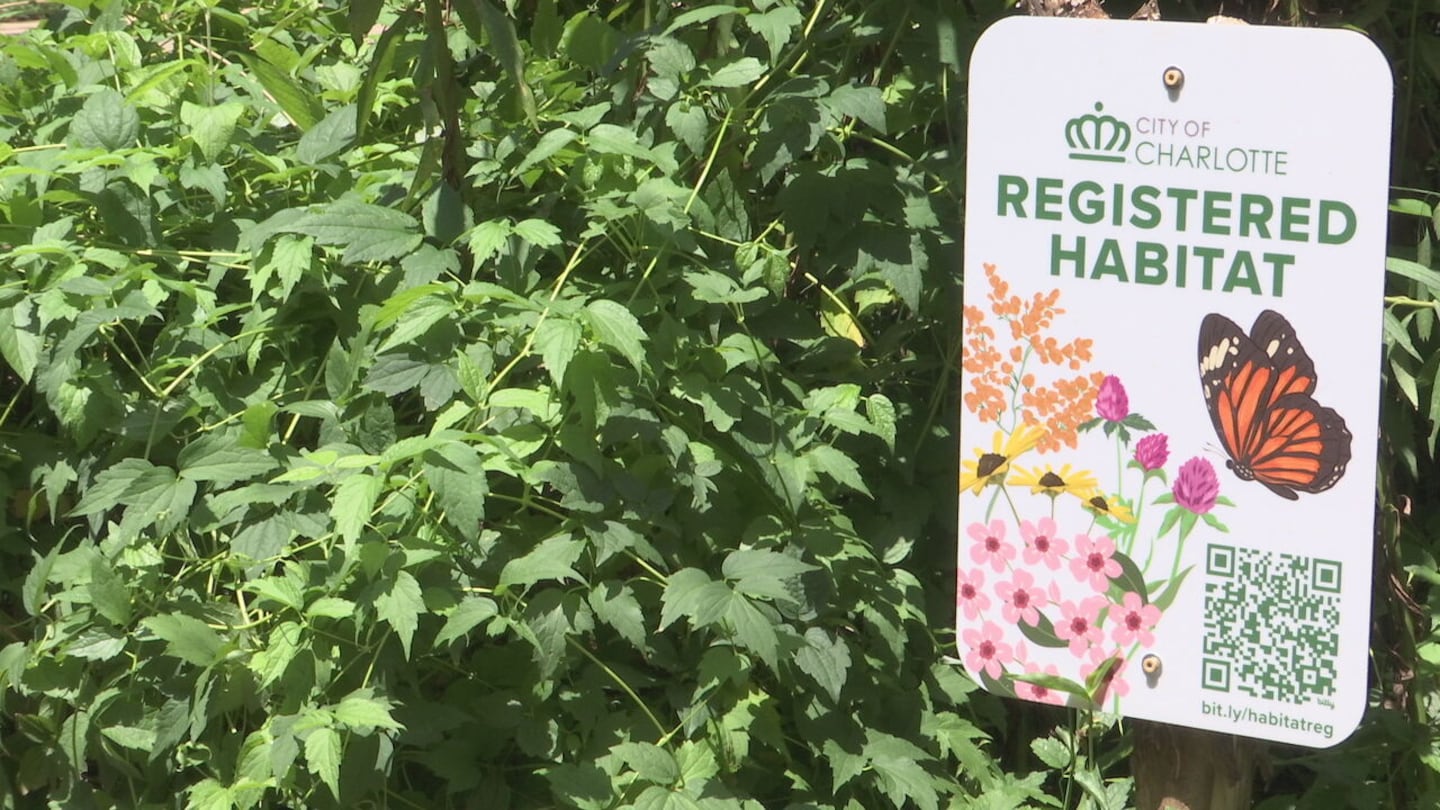
They responded with a registry, which allows residents to apply for city recognition as natural landscapes, exempting them from potential citations.
“For us to have over 161 to apply says that this is something that the community has been very interested in,” said Councilmember LaWana Mayfield.
It’s not just about aesthetics.
Mayfield said it’s a way for the city to live up to its climate goals.
Insect populations are declining across the Carolinas, mostly due to urbanization and habitat loss. The gardens are a way to rebuild those former pollinator highways.
“I love the diversity of bugs and bees and everyone I see out here,” said Melissa Sorenson, a gardener.
It doesn’t have to be the whole yard.
Sorenson started the garden about three years ago to focus on native plants.
She said she’s been amazed at how quickly everything began to thrive.
“I can’t believe I grew this from a little teeny pot,” she said.
Click here for more information.
©2026 Cox Media Group

/cloudfront-us-east-1.images.arcpublishing.com/cmg/LH3JSJEF3VBLRJLJQESEAG34AM.png)


