RALEIGH, N.C. — Companies already track your GPS data right from your phone. Now, a new North Carolina bill would let police track your real-time location without a warrant.
House Bill 213, also known as the Kelsey Smith Act, is named after Kelsey Smith, who was kidnapped, sexually assaulted and then strangled in Missouri in 2007.
Her family believes she would have been saved had police tracked her cellphone.
The new bill would give law enforcement agencies across the state access to help in emergency situations. The American Civil Liberties Union in North Carolina (ACLU) said it has some concerns over people’s privacy, though.
“This is where you have been at any point during the day,” Ann Webb, ACLU’s senior policy counsel, said.
Although the bill does not give police access to other data like text messages or photos, the ACLU took their concerns to lawmakers.
(WATCH: Mecklenburg first responders use same technology as Uber to pinpoint location)
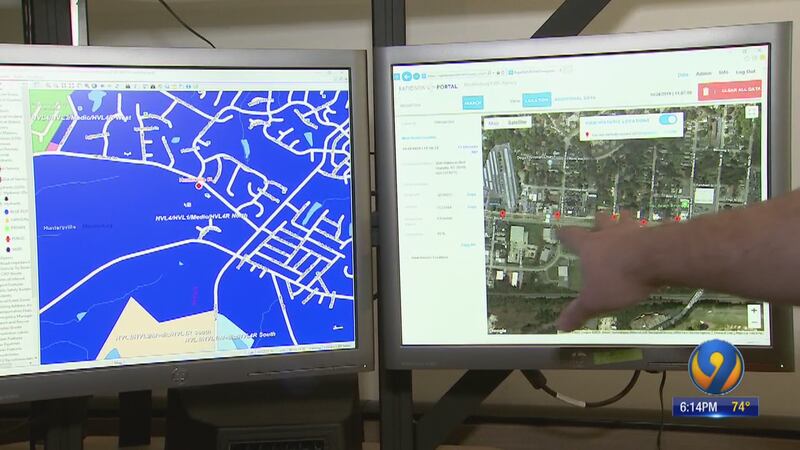
“We shared our views about how the bill could be improved, on how to improve the constitutional rights and privacy rights of individuals whose cellphone data is collected in emergencies,” Webb said.
Police already track cellphone locations but need a warrant beforehand. What makes this bill different is police can make a phone company hand over someone’s location without a warrant. Then, they would have to go in front of a judge within 72 hours to explain what they got and why it was an emergency.
If the judge rules the data collection was unnecessary, it wouldn’t be allowed if the case went to court.
House Bill 213 passed the State House unanimously on Tuesday 116-0. The bill is now in the Senate.
The ACLU will ask lawmakers for more changes, including requiring police departments to delete the data if it can’t be used in court.
If it does become law, North Carolina would be the 28th state to pass the Kelsey Smith Act.
Cox Media Group
/cloudfront-us-east-1.images.arcpublishing.com/cmg/LH3JSJEF3VBLRJLJQESEAG34AM.png)