
CHARLOTTE — The incumbent Board member is not seeking re-election in District 6. Three candidates are vying for this southwest Mecklenburg County seat: Toni Emehel, Anna London and Justin Shealey. Click here for a list of schools in this district.
The Political Beat asked questions of each candidate in the race.
Their unedited responses are below.
Toni Emehel
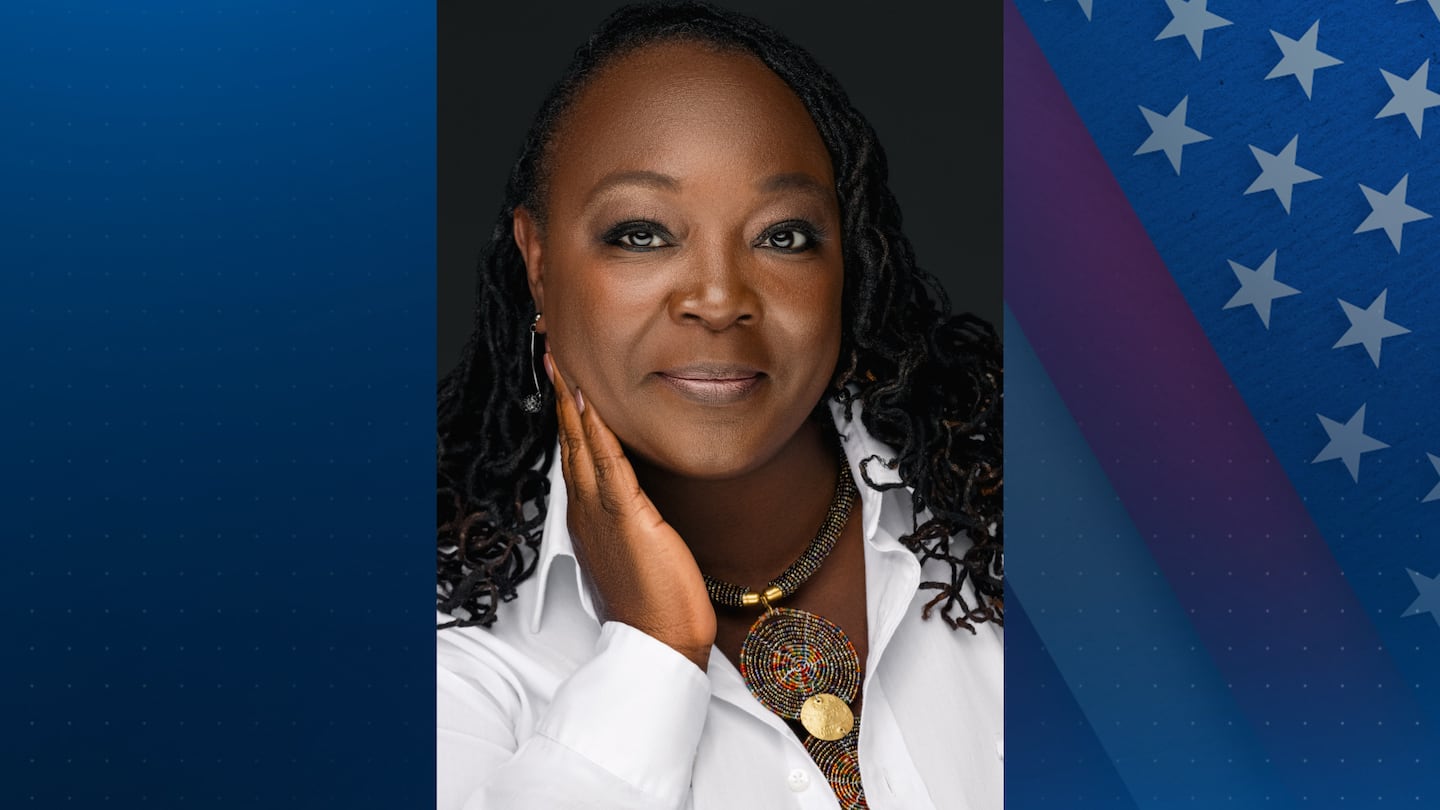
What is your occupation? I retired from corporate America at the age of 37, which allowed me to dedicate myself fully to the needs of my family and community. This period has been incredibly rewarding, as I’ve been able to contribute my time and energy to causes that are important to me. Especially my service to Charlotte-Mecklenburg Schools where I have had the joy of serving as an active parent member of School Improvement Teams at Park Road Montessori, Randolph Middle School and Northwest School of the Arts. Additionally, I frequently serve as a test proctor at Olympic High School and have sat on Senior Exit Review panels. As an actively engaged parent, I have also had the pleasure of serving on various Parent-Teacher-Organization boards, including filling the role of PTO President at Park Road Montessori, PTO Vice President at Randolph Middle School, Booster Club President at Northwest School of the Arts and Organizer of Northwest School of the Arts very first Inter-Club Council. I’ve also had the joy of serving as an American Red Cross CPR Instructor, where I’ve trained and certified many individuals in critical lifesaving skills, empowering them to protect their families and the public in their respective professions. I’ve also been a Bible Teacher within my faith community and taken on leadership roles, including serving as President of my community HOA and volunteering with the Keep Charlotte Beautiful Adopt a Street program. While I’ve been focused on family and community since 2006, I’ve also made sure to keep my professional skills sharp by providing consultative services to select clients over the years. This has given me valuable experience in different areas and kept me connected to the professional world. Now, I’m genuinely looking forward to serving full-time as a member of the School Board, representing the concerns and needs of District 6. I believe my background and commitment to the community will be a great asset to the school board and our school district.
Why are you running? My decision to run for School Board District 6 is a continuation of my lifelong work and commitment to our community. The schools in District 6 hold a very special place for me, as they have been entrusted with educating three generations of my family. I received my own education within District 6, my children were educated here, and now my grandchildren are currently attending schools in the district. This deep personal connection gives me a unique perspective on the district’s strengths and areas needing improvement. While I have always been a consistent supporter of the Charlotte Mecklenburg school district, I am now stepping forward in this capacity because I believe District 6 is in great need of effective representation that genuinely reflects the diverse needs and concerns of its residents. I am committed to bringing the strong voice and dedicated action that our students, families, and educators deserve.
What is the most important issue and how do you plan to address it? I firmly believe that the most pressing issue we face is a persistent lack of effective communication. Poor communication practices significantly impact our district’s brand, leading to misunderstandings, distrust, and a less cohesive community. This problem becomes particularly evident when social issues arise that affect education, student learning, and family engagement. It also unfortunately impacts our ability to attract and retain passionate teachers who are excited about igniting a love of learning in our students. More often than not, I believe that our communication regarding gaps in achieving excellence in execution damages the brand of what Charlotte-Mecklenburg Schools has to offer as an employer and as a public education system. My approach to addressing this vitally important issue is rooted in mindfulness. We must be mindful in the way we communicate concerns related to student safety, low test scores, teacher shortages, teacher pay and the shortfalls in preparing students to enter college and/or the workforce. This mindfulness approach will allow us to implement a comprehensive communication strategy that emphasizes transparency, consistency, and accessibility, all while protecting our brand. This strategy will involve establishing clear channels for information dissemination, ensuring that all stakeholders receive timely and accurate updates, actively soliciting feedback to foster a more open and responsive environment, and the inclusion of subject-specific professionals to support critical messages. From a board perspective, our fundamental focus must always be on guaranteeing that students are safe and ensuring that students have an enriching learning environment that develops strong character and ultimately prepares students to be contributing members of their community. Keeping this objective at the forefront of every conversation is crucial because poor communication practices directly impede our district’s ability to engage in progressive collaboration opportunities, effective decision-making processes, standards of accountability, healthy patterns of fiscal responsibility, and give proper attention to violence and safety concerns within our school campuses and classrooms. By significantly improving our communication plan, I am confident that we can strengthen our district’s brand and build a more engaged and supportive community.
What role should AI have in the classroom? Decision-making my view, the fundamental roles of teachers and students remain paramount: teachers are there to teach, and students are there to learn. AI should not be seen as a replacement for either of these core functions. Instead, with proper training and adherence to best practices, AI can serve as a valuable resource for both teachers and students, helping to facilitate the work of teaching and learning. It’s crucial that AI augments, rather than supplants, the individual efforts involved in teaching and learning processes.
How would you assess student achievement in the district? This is a multifaceted issue. I believe I’ll be in a much better position to provide a well-informed answer once I am in office and have a comprehensive understanding of the current internal workings. However, based on publicly available data, it is clear that our students are currently facing significant academic disadvantages, particularly when compared to pre-pandemic performance levels. We are consistently observing ongoing issues with student absenteeism, and concerns regarding violence and safety on our campuses persist. Furthermore, we continue to experience challenges in adequately preparing students for both college and the workforce. What we should be asking ourselves is why we continue to miss the mark in these critical areas, especially if we believe we have the right plans and personnel in place to achieve results. Even with dedicated individuals, notable disparities in academic performance persist between different ethnic and racial groups within our schools, and students continue to score poorly on grade-level tests. These are not new issues; in fact, they represent long-standing challenges that necessitate a fundamental shift in our approach. Rather than attempting to address these deficiencies with superficial fixes, our district and educational leaders must confront these realities directly. It is time to acknowledge the truth and execute on accountability by demanding follow-through. A strategic plan that looks good on paper is not enough; we need to recruit and empower the right individuals to ensure that the commitments outlined in the Charlotte-Mecklenburg School Strategic Plan are actually realized. An inside look would reveal what is truly hindering current leadership, educators, and administrators from achieving these critical goals. From my own family’s three generations of enrollment in CMS, these very same issues have remained unaddressed. Once elected, I will take necessary measures to thoroughly understand the obstacles contributing to these aforementioned issues. This will allow me to provide a comprehensive assessment focused on increasing student performance, improving test scores, and determining what is needed to better prepare all students for college and/or entering the workforce.
What role should the CMS Board have in addressing hot button issues like immigration enforcement in the community? I believe this is something the Board must address proactively and thoughtfully. My primary concern is ensuring that administrators at each school in the district have a comprehensive understanding of their responsibilities regarding the safety and rights of all children, regardless of their documentation status. It’s crucial that they possess a working knowledge of the legal obligations of both administrators and the school system to protect these students’ rights while they are on our campuses or in our classrooms. From a Board perspective, it’s paramount that we understand the school system’s role in addressing these sensitive issues and in upholding the rights that the law provides to all students. Communication is absolutely key here. If our message deviates from the fundamental understanding that the school system’s job is to keep children safe and protect the rights of all students, documented and undocumented, then we have failed. All individuals possess legally recognized rights, and these rights must be safeguarded within Charlotte-Mecklenburg School campuses. Therefore, establishing robust communication plans for administrators, students, and their parents is essential. These plans will ensure that everyone knows how to respond and what their rights are in immigration enforcement situations that may involve interaction with law enforcement. I truly see a vital opportunity for the School Board to take proactive measures to protect the rights of our students and their families while they are on school property.
What sets you apart from your opponents? First and foremost, I want to emphasize my availability to serve as a full-time school board member. This dedication will provide greater access to board representation for students and families in District 6, ensuring their voices are heard and their concerns addressed promptly. In addition, I pride myself on being an active listener. This skill allows me to fully understand various perspectives and needs, ensuring that I can respond thoughtfully and effectively as a distinct voice advocating for the needs of students in our district. Furthermore, I consistently practice critical thinking to analyze situations thoroughly, identify key issues, and develop well-reasoned solutions. I believe these qualities would be a significant asset to walk alongside any student or parent trying to navigate issues impacting the student’s academic experience in Charlotte-Mecklenburg Schools. My commitment to full-time service, active listening, and critical thinking will allow me to be a highly effective and dedicated advocate for our community with distinction.
Anna London
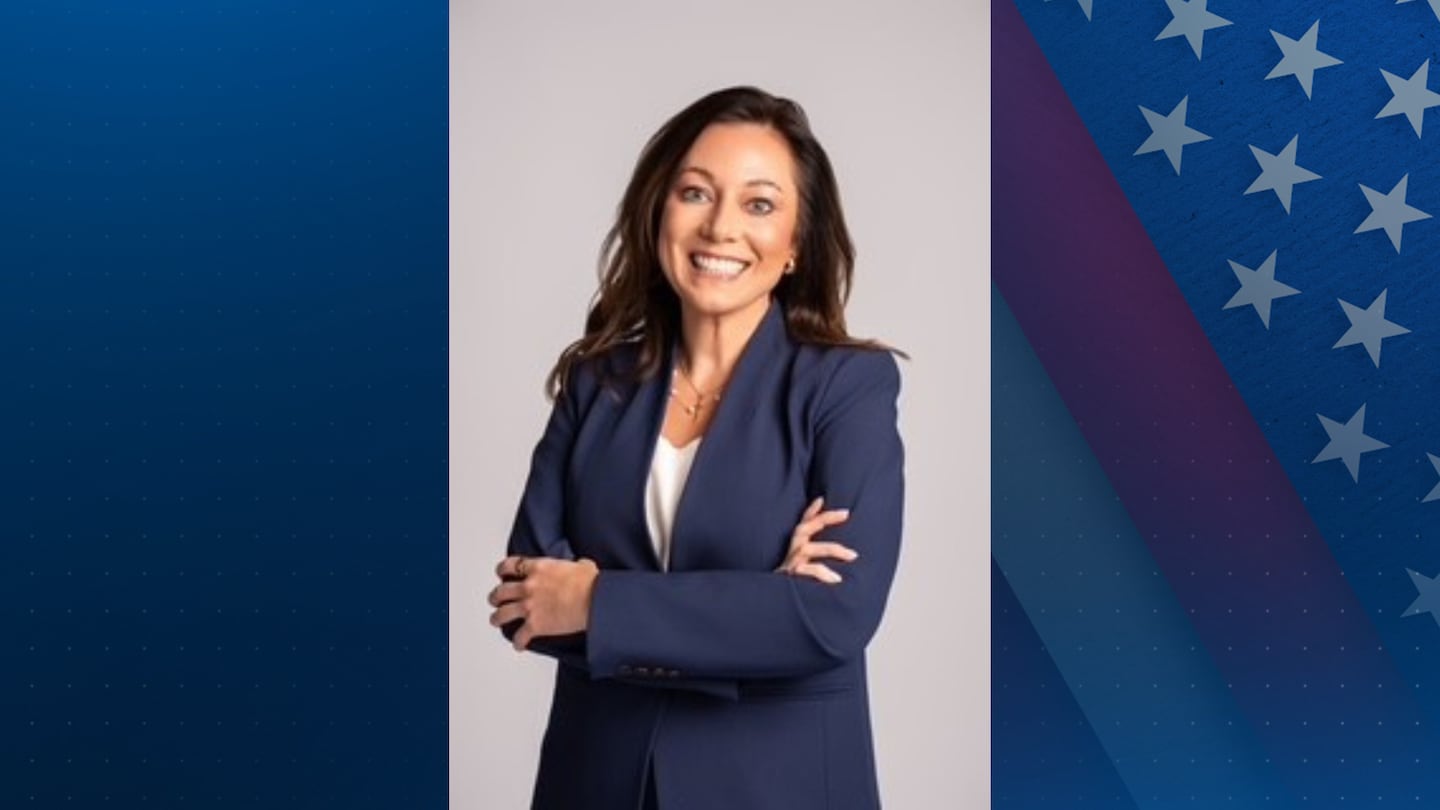
What is your occupation? President & CEO of Charlotte Works.
Why are you running? I’m running for the Charlotte-Mecklenburg Board of Education because strong public schools are the foundation of a thriving community. As a former educator and the CEO of the workforce development board, I understand both the classroom and the systems that shape student outcomes. I’m committed to bringing experienced, solutions-oriented leadership to ensure every student is prepared for success, whether in college, career, military, or life. This moment calls for leaders who can build trust, drive results, and keep students at the center of every decision. I’m ready to serve and lead with experience, integrity, and a deep commitment to students, families, and educators.
What is the most important issue and how do you plan to address it? Through intentional conversations with families and educators across our community, I’ve heard clearly that the greatest challenge is the lack of clear, consistent communication and transparency. I will work to address this by fostering open, two-way communication, ensuring timely and accurate information, and creating meaningful opportunities for families, educators, and community members to be part of the decision-making process because trust is built when we lead with transparency and accountability.
What role should AI have in the classroom? I am a huge fan of incorporating AI the right way, as a tool to enhance learning, not replace it. We need to allow and integrate AI in a safe, structured, and intentional way and ensure educators and students are equipped to use it responsibly. This means clear guidelines, strong safeguards, and professional development for teachers so AI can support creativity, critical thinking, and personalized learning while protecting student privacy and academic integrity.
How would you assess student achievement in the district? I would assess student achievement using clear, measurable outcomes aligned with the Board’s current Goals and Guardrails. That means monitoring student proficiency and growth in reading and math, ensuring every student graduates prepared for college, career, or military, and tracking progress in closing opportunity and achievement gaps. I would also look at measures beyond test scores, such as access to advanced coursework, career pathways, social-emotional and well-being supports, while holding ourselves accountable to the guardrails that protect learning time, foster safe and inclusive schools, and ensure equitable resource allocation. Data should guide our decisions, and transparency in reporting progress is essential for building trust with our community.
What role should the CMS Board have in addressing hot-button issues like immigration enforcement in the community? The role of the CMS Board is to lead through policy and governance. When hot button issues like immigration enforcement arise, the Board’s responsibility is to ensure that district policies and procedures protect the safety, well-being, and access to education for all students, families, and educators. That means creating clear protocols, supporting school leaders, and communicating consistently so that every child can learn in an environment free from fear or disruption.
What sets you apart from your opponents? I am a proven, results-driven leader with years of experience delivering measurable outcomes, leading with accountability, and collaborating across systems to create real change. Rooted in community and trusted in the community. I’ve been intentional about listening to families, educators, and stakeholders to understand the challenges we face, from communication and transparency to ensuring every student has a safe, supportive, high-quality education. I bring deep relationships, business expertise, and a clear understanding of K-12 education, along with the vision and the urgency needed to make bold, student-first decisions. My leadership is guided by listening, grounded in data, and focused on outcomes that move CMS forward for every child, in every school, across every zip code.
Justin Shealy
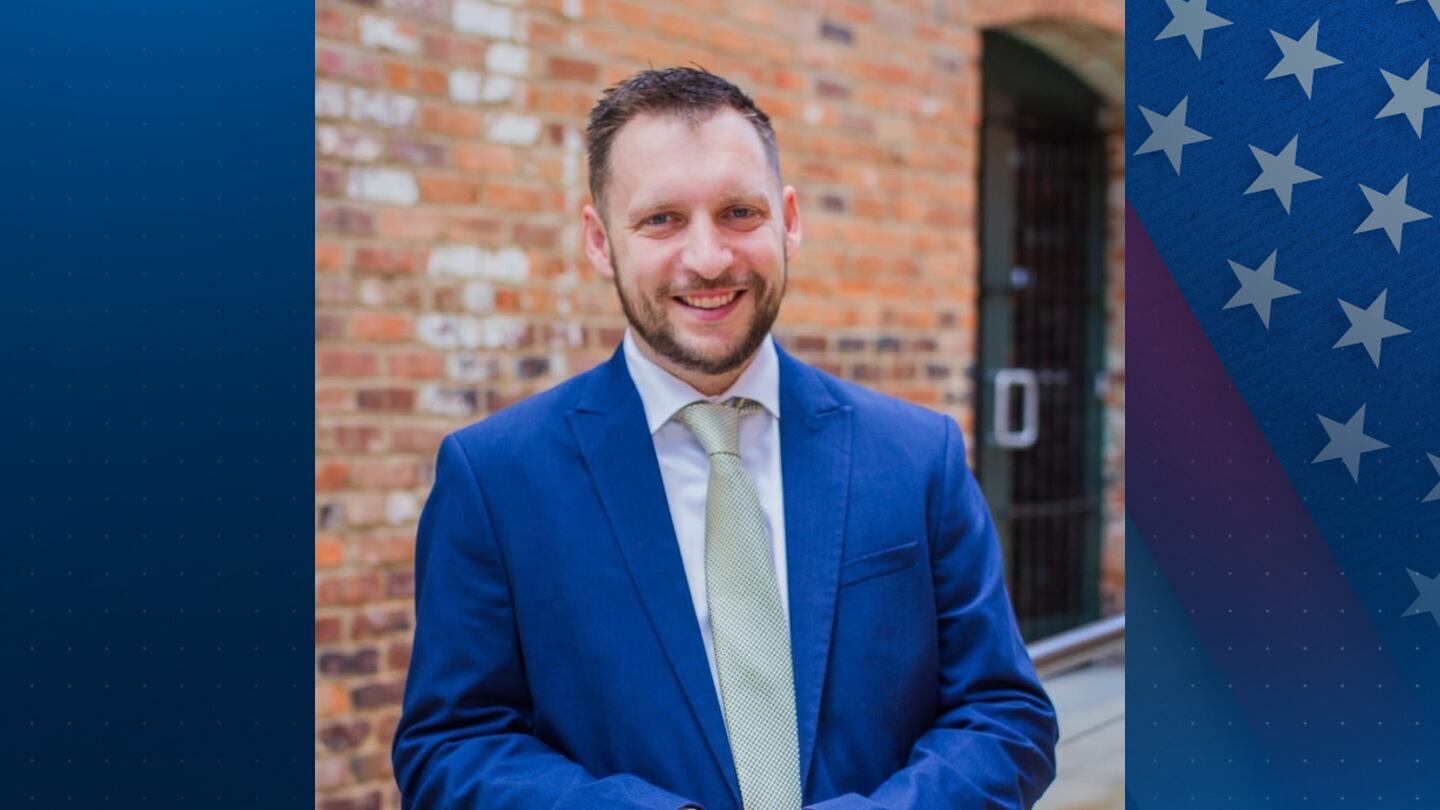
What is your occupation? Attorney.
Why are you running? I’m running because I believe that every student deserves a safe learning environment, strong academic opportunities, and leaders who put students first.
What is the most important issue and how do you plan to address it? Chronic absenteeism is a major issue facing Charlotte-Mecklenburg schools. We need to identify why students are missing class, remove the barriers that are causing absences and partner with community resources to help ensure that students make it to the classroom. If we don’t address absenteeism, nothing else we do matters.
What role should AI have in the classroom? AI should be utilized as a tool, not a replacement for teaching. While it can certainly be utilized to assist teachers and students with learning, nothing can replace the human connection in education. How would you assess student achievement in the district? Student achievement should be measured by looking at academic performance, attendance, and whether a student is prepared for life after graduation. What role should the CMS Board have in addressing hot button issues like immigration enforcement in the community? Immigration enforcement is a matter for federal and local law enforcement. Our role on the board is to ensure that every student has access to a safe and supportive learning environment. Schools must follow the law, but we also must protect the rights and safety of students on school grounds.
What sets you apart from your opponents? What sets me apart is that I bring a parent’s perspective, a professional’s expertise working with vulnerable children and families every day and the unique insight of a soon-to-be foster parent. I’ve made the same tough decisions other parents face about their child’s education, and I understand firsthand the challenges our students face both inside and outside the classroom. I’m not running to jumpstart a political career. I’m running to put students first, focus on real solutions, and make CMS schools successful for my own children and every child in our community. My background gives me both the heart and the skill set to make that happen.
(WATCH BELOW: New CMS Police Chief vows to enhance school safety measures)

©2025 Cox Media Group
/cloudfront-us-east-1.images.arcpublishing.com/cmg/LH3JSJEF3VBLRJLJQESEAG34AM.png)


