
House District 106 includes north Charlotte and part of Huntersville.
Incumbent Carla Cunningham is facing two Democratic challengers, Vermanno Bowman and Rodney Sadler.
Carla D. Cunningham (D)
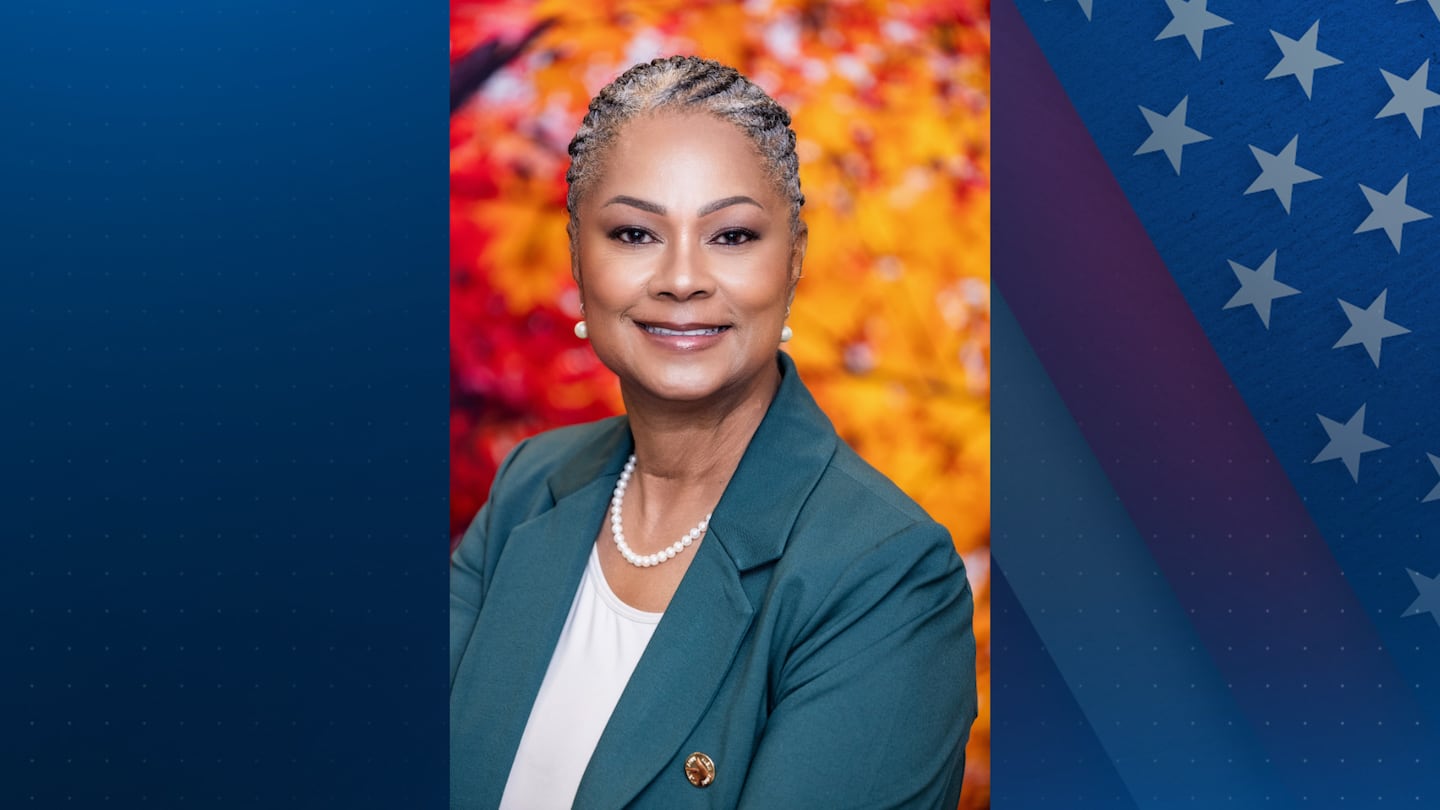
What is your occupation?
NC House Representative from the 106th District
Why are you running?
I’m running because the work is not finished—and because economic success must be shared. North Carolina is expected to do well in 2026, but those numbers don’t mean much if everyday people in my district and across Mecklenburg County don’t feel that progress in their own lives. A strong economy should lift working families, seniors, and small businesses.
During my time in office, I’ve helped bring more than $23 million back to our community by investing in nonprofits, small businesses, and organizations that fill gaps where government funding alone isn’t enough. Those funds have strengthened people’s lives and delivered real results, but the needs in our community continue to grow.
I’m working to improve the quality of life of those persons who reside in the 106th district. I aim to continue broadening support with trusted community partners and ensure that Mecklenburg County residents experience a tangible boost from the state’s economic growth. I believe the government should be a true partner—one that provides opportunity, stability, and dignity for every family.
What is the top priority for your district, and how do you plan to address it?
While the Belk College of Business predicts 2026 will be a landmark year for North Carolina’s economy, the main concern in District 106 is whether that growth benefits everyday residents. Rising housing costs, property taxes, and living expenses continue to burden working families and seniors. Economic success is meaningless if people can’t afford to stay in their homes or access opportunities in the communities they helped create.
Recently, I was appointed to the House Select Committee on Property Tax Reduction and Reform, and I also serve on the Commerce and Economic Development Committee. I plan to continue working with my colleagues to ensure that these pocketbook/wallet issues remain at the forefront of our agendas and discussions.
Following recent events, including the murder of Iryna Zarutska on Charlotte’s light rail, how do you plan to address concerns surrounding violent crime and mental health in the state?
In 2024, as the Vice Chair of the NC House Health Committee and the House Select Committee on Involuntary Commitment and Public Safety, I worked with my colleagues to secure a historic $835 million dollar investment for mental health, intellectual and developmental disabilities, and substance use services. This funding allows the State to focus on crisis response (mobile crisis teams, crisis stabilization beds for children), justice system reform (diversion, re-entry), children’s services, and workforce support.
Additionally, we stood up the NC Peer Support Warmline at 1-855-733-7762 statewide, providing more accessible, community-based resources to reduce crises and reliance on ERs and jails. Because of that investment, the state – according to recent rankings by Mental Health America – is currently 16th in the nation, an improvement from 2024, when the State ranked 24th.
In the tragic case of Iryna Zarutska, people often do not seek help from the mental health system until they are in a crisis. This delay makes it harder for them to know what steps to take and how to find resources during an emergency. We need to identify gaps in services and work with providers and other organizations to better engage this population.
I looked at the CAHOOTS Program in Oregon as a potential model for Charlotte. The CAHOOTS (Crisis Assistance Helping Out On The Streets) program is a mobile crisis response system from Eugene, Oregon, dispatching unarmed, non-police teams (mental health professionals and medics) to address issues related to mental health, substance abuse, and homelessness. It offers de-escalation, resources, and alternatives to police intervention. The program saves taxpayers millions each year by lowering emergency room visits and ambulance transports.
In light of rising costs and federal changes, should the legislature fully fund Medicaid to ensure coverage remains in the state?
Yes, we should fully fund Medicaid. To align with the federal regulation under HR 1, we are required to establish work requirements for the 700,000 residents who were covered under Medicaid Expansion. To continue the 90/10 match with federal government funding, we must comply with federal guidelines.
What is your position on abortion? Should North Carolina pursue additional abortion restrictions?
As a nurse, I have always supported a woman’s autonomy over her body. No additional abortion restrictions should be pursued by the State.
What sets you apart from your opponents?
I currently serve on 26 committees. Over my 13 years of experience, I have introduced 1088 bills and supported key measures like Medicaid expansion and Suicide Prevention. I brought over $23 million into our district and Mecklenburg County, helping countless constituents, both inside and outside my district. Those nonprofits and organizations include: The Kate Blessing Foundation, Village Heartbeat, Inc., Habitat for Humanity, Second Harvest Metrolina Foodbank, LifeSpan, The Relatives, A Safe Place, Inc., the Huntersville Fire Department, Hope Haven, Living Waters, Inc., and Gracious Hands Transitional Housing for Homeless Women and Children.
In a difficult political climate where I’ve never been in the majority party, I’ve learned to navigate and work collaboratively with all my colleagues. Right now, seniors in my district are worried about aging in place and not being priced out of their homes. Families are concerned about meeting essential needs. Now is the time for strong, tested leadership. I am committed to focusing on the families, seniors, and communities I was elected to serve.
Vermanno Bowman (D)
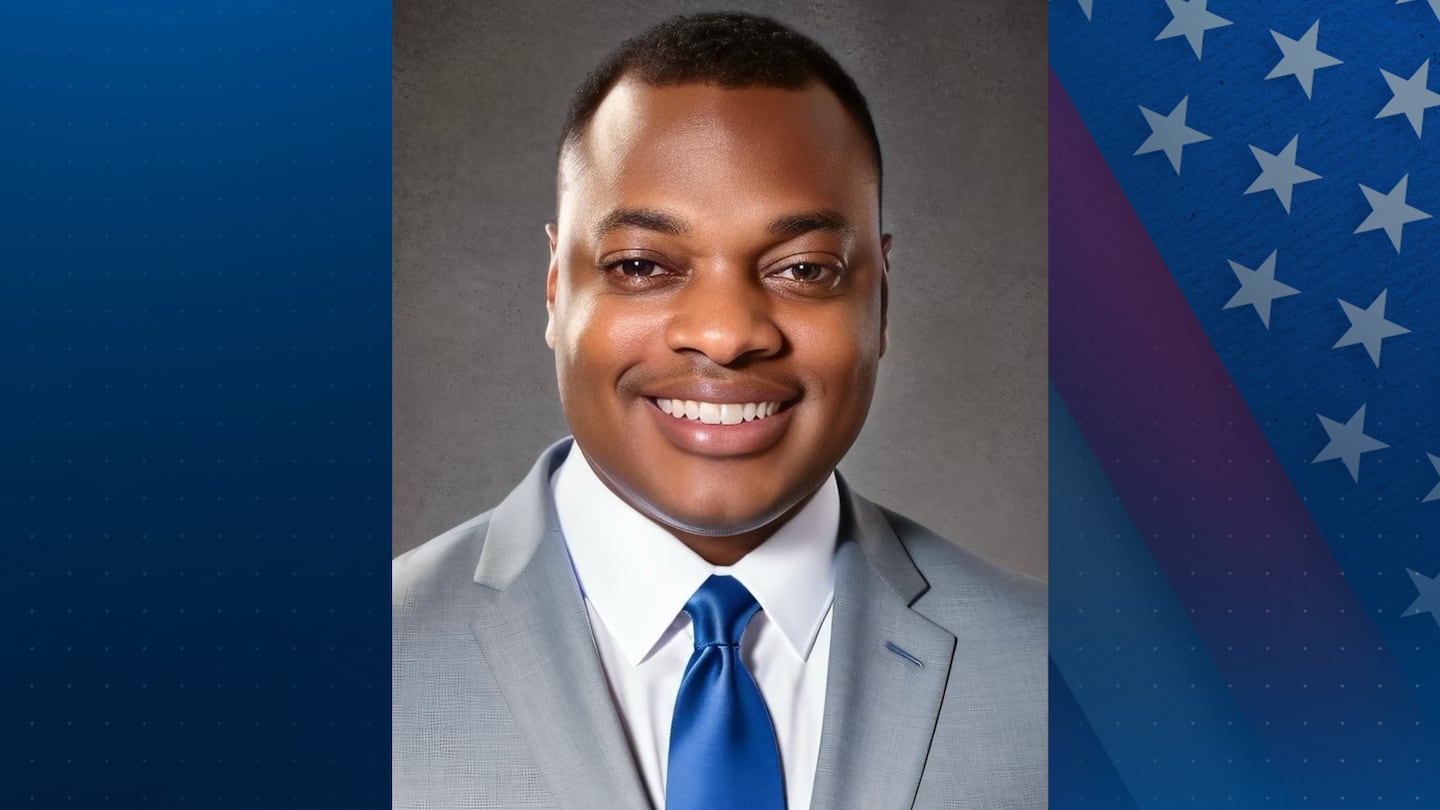
What is your occupation?
Quality Control Coordinator & Veteran Military Police officer in the North Carolina Army National Guard
Why are you running?
I’m running because too many working and middle class families feel ignored by a political system that listens more to corporate interests than everyday people. I grew up in a working class family in rural Orangeburg, South Carolina, and saw firsthand how hard people work just to get by. That experience shaped my values and my commitment to fight for affordable housing, healthcare, education, and fair wages. I’m running to be a voice for people who don’t have lobbyists or insiders speaking for them.
What is the top priority for your district and how do you plan to address it?
The top priority in District 106 is affordability, especially housing. Families are being priced out of their own communities. I support investing in affordable housing development, protecting renters from unfair increases, expanding housing assistance programs, and ensuring wages keep up with the cost of living so people can afford to stay where they live.
Following recent events, including the murder of Iryna Zarutska on Charlotte’s light rail, how do you plan to address concerns surrounding violent crime and mental health in the state?
This tragedy reflects a failure of the courts and the justice system, not just policing. Individuals with long, violent criminal histories should not be repeatedly released to endanger the public. I support fully funding courts, prosecutors, and mental health services so dangerous individuals are properly handled, while ensuring officers aren’t asked to compensate for underfunded systems. Public safety requires accountability, resources, and prevention.
In light of rising costs and federal changes, should the legislature fully fund Medicaid to ensure coverage remains in the state?
Yes. Fully funding Medicaid is essential to keeping people insured and preventing hospitals and families from bearing higher costs. Healthcare is a human right. I support protecting Medicaid today and continuing to push for universal healthcare so no one goes broke just to stay alive.
What is your position on abortion? Should North Carolina pursue additional abortion restrictions?
I oppose additional abortion restrictions. I support protecting abortion access up to the point of viability, up to 22 weeks, with exceptions for rape, incest, and the life of the mother. These protections should be enshrined in the North Carolina Constitution so politicians can’t continue to take away fundamental rights.
What sets you apart from your opponents?
I’m the only progressive and the only veteran Military Police officer in this race, and the only candidate who comes from a working class background shaped by growing up in rural Orangeburg, South Carolina. I’ve consistently fought to hold large corporations accountable, make them pay their fair share in taxes, and invest in people instead of profits. While others are backed by the same political establishment, my campaign is people powered and focused on Medicare for All, fully funded public education, affordable housing, and bold climate action. I’m not running for a title, I’m running to serve.
Rodney Sadler (D)
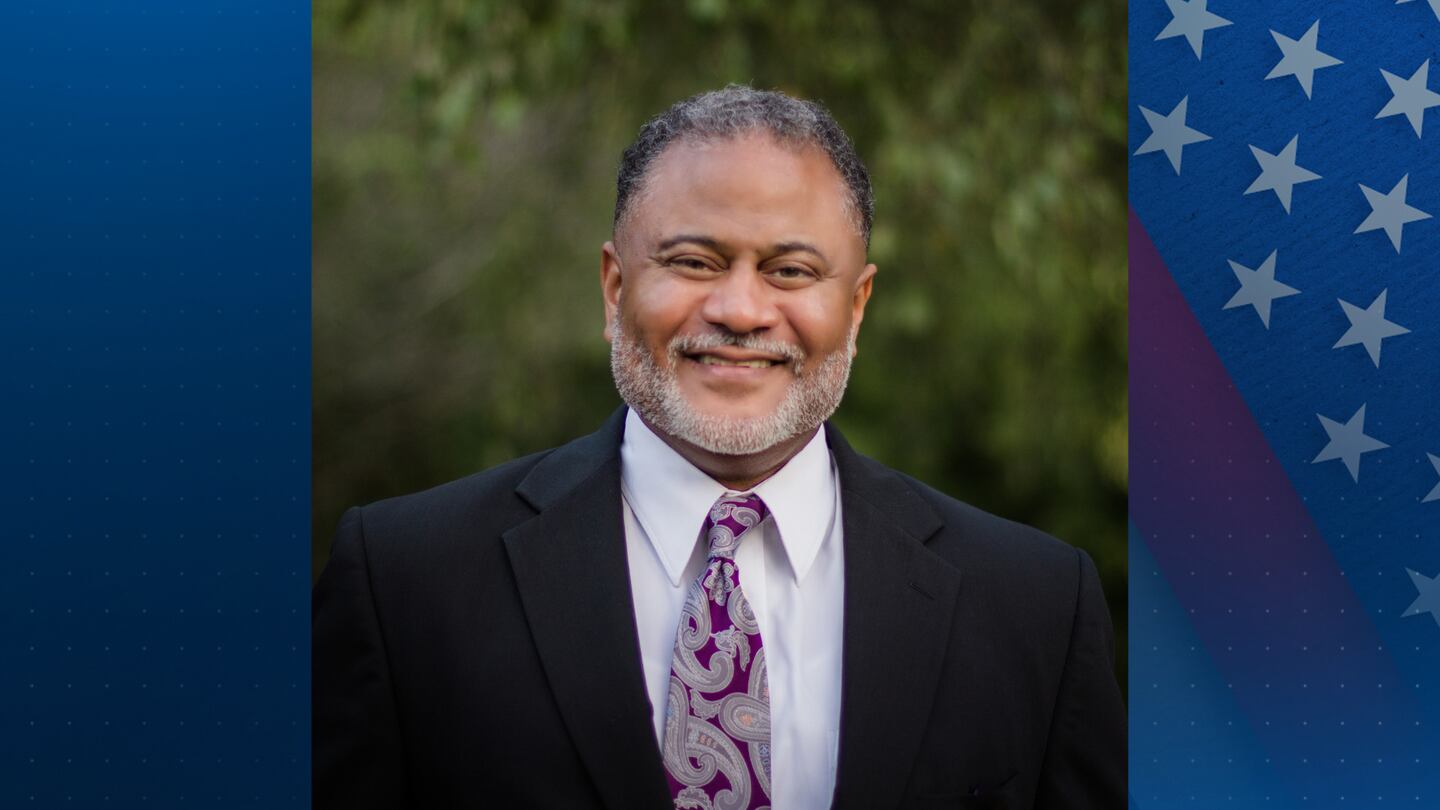
What is your occupation?
Associate Professor of Bible, Director of the Center for Social Justice and Reconciliation at Union Presbyterian Seminary
Why are you running?
I am running for North Carolina State House to put the people first.
Right now, working people in Mecklenburg County can’t afford to live. The basic things -- paying the electric bill, going to the doctor, buying eggs at the grocery store, keeping a roof over your head — get more expensive every day, while wages stay rock-bottom and jobs get harder and harder to find.
We know that things can be different. We all deserve wages we can live on. We all deserve a home we can afford. We all deserve quality healthcare as a basic human right. Our kids deserve strong, gun-free public schools and safe streets.
In the wealthiest nation in history, this is not beyond reach. But it will only be possible when our government works for people, instead of for profit. I believe that we should be fighting to end poverty, not fighting the poor.
The wealthy few try to tell us to blame each other. They tell us it’s the fault of our immigrant neighbors. They hand out blame based on the color of our skin, how we dress, where we come from, or who we love.
We know better. My faith is clear: Love God, Love Your Neighbor, Love the Stranger. In the North Carolina State House, I will be a champion for love in action. I will stand up to the powerful corporate interests, and be a voice for working families. I will fight for a state where every child can receive an excellent public education. Where one job is enough to afford a home, clean water to drink, and good food to eat. Where every one of us can get quality healthcare when we need it as a basic human right.
That’s how we begin to put the people first.
What is the top priority for your district and how do you plan to address it?
The affordability crisis is a dual crisis: one of rising prices and frozen wages. This is not an accident. A few billionaires and big corporations profit by hiking our rent, our utility bills, grocery prices, and healthcare costs, while keeping our wages at rock bottom.
If we are serious about making North Carolina affordable, we must be willing to push back against the corporate interests that are profiting from our suffering. That means saying NO to Duke Energy when they ask the NCGA for a blank check to raise rates – and, beyond that, fighting for public utilities where the people of North Carolina have the power to govern our energy system. That means standing up to the lobbyists and the special interests who are profiting from hiking housing costs higher and higher – and, beyond that, building new social housing that is genuinely affordable. That means taking on the big pharmaceutical and insurance corporations when they try price-gouge on healthcare – and, beyond that, fighting for a universal, single-payer healthcare system that works for people over profit.
At the same time, we must urgently raise the minimum wage to a living wage – at the state level, indexing it to inflation and removing the unjust subminimum wage for tipped workers; and removing undemocratic “pre-emption” laws so that local government in Charlotte and Mecklenburg can set wages that reflect the cost of living in our county.
Following recent events, including the murder of Iryna Zarutska on Charlotte’s light rail, how do you plan to address concerns surrounding violent crime and mental health in the state?
Everyone in Charlotte and Mecklenburg County – no matter where we’re from or the color of our skin – deserves to get safely to work, safely to school, and safely back home.
The murder of Iryna Zarutska was a horrific tragedy. So too was the invasion of Charlotte by Trump’s CBP, which made our city profoundly unsafe for the countless small businesses that shuttered and the 30,000 kids who stayed home from school.
Let me be clear: we must keep our communities safe by going to the roots of violence. Violence begets violence, and MAGA extremists cynically use fear to deploy brutal force that escalates and makes our communities less safe, from Charlotte to Minneapolis. Instead, we must cut through these cycles of violence by addressing the compounding crises of misery, despair, poverty, mental health crises, and easy access to guns. We must restore the more than $18.5 million in crucial mental healthcare funding cut by the NCGA last session. We must get guns off our streets and out of our schools! We must ensure that all North Carolinians can have a roof over their head, a bed to sleep in, a good job with a stable wage, and access to the healthcare they need, including mental healthcare. This is how we can begin to truly address the roots of violence and keep each other safe.
In light of rising costs and federal changes, should the legislature fully fund Medicaid to ensure coverage remains in the state?
Yes, absolutely. If Trump and MAGA extremists in DC continue to play politics with the healthcare that NC working families so desperately need, then our state government must step up and fully fund Medicaid. Beyond that, we must strive towards a healthcare system that puts people over profits. In the NCGA, I will be a champion for a single-payer, Medicare-for-All style system, where all North Carolinians can get the care we need as a fundamental human right.
What is your position on abortion? Should North Carolina pursue additional abortion restrictions?
I will always stand up for every woman’s right to receive the healthcare that she needs – including the right to abortion care. The Dobbs decision was an absolute outrage, as was the abortion ban passed by the NCGA. I will fight to repeal these oppressive bans, and to ensure that reproductive freedom is the law of the land in North Carolina.
What sets you apart from your opponents?
I have deep respect for the other candidates who are running for this position. I am not running because of personal ego or ambition – I am running because my community asked me to.
Over the past year, in conversation with countless voters in House District 106 – workers, faith leaders, union leaders, and members of our immigrant community – it has become abundantly clear that we need new leadership in this district. I heard time and time again that we need a representative who will put the people first – who will stand up to MAGA extremists and corporate interests, who will fight for working families.
I have spent 20 years of my life fighting for Mecklenburg working families – from the Poor People’s Campaign, to interfaith work with MeckMIN, to the Faith in Housing Initiative, to the Reimagining America Project. What sets our campaign apart is our grounding and commitment to this movement of working people – Black, Brown, Asian, and white; Christian, Muslim, and Jewish; young and old; immigrant and native-born. When we win, it will be not me, but us, entering the General Assembly building together.
VIDEO: Rep. Carla Cunningham responds to criticism as new opponents raise concerns

©2026 Cox Media Group
/cloudfront-us-east-1.images.arcpublishing.com/cmg/LH3JSJEF3VBLRJLJQESEAG34AM.png)


