
Two Democrats are vying to be the Democratic nominee for State Superintendent of Education: Lisa Ellis and Sylvia Wright.
The winner will face incumbent Ellen Weaver.
Lisa Ellis (D)
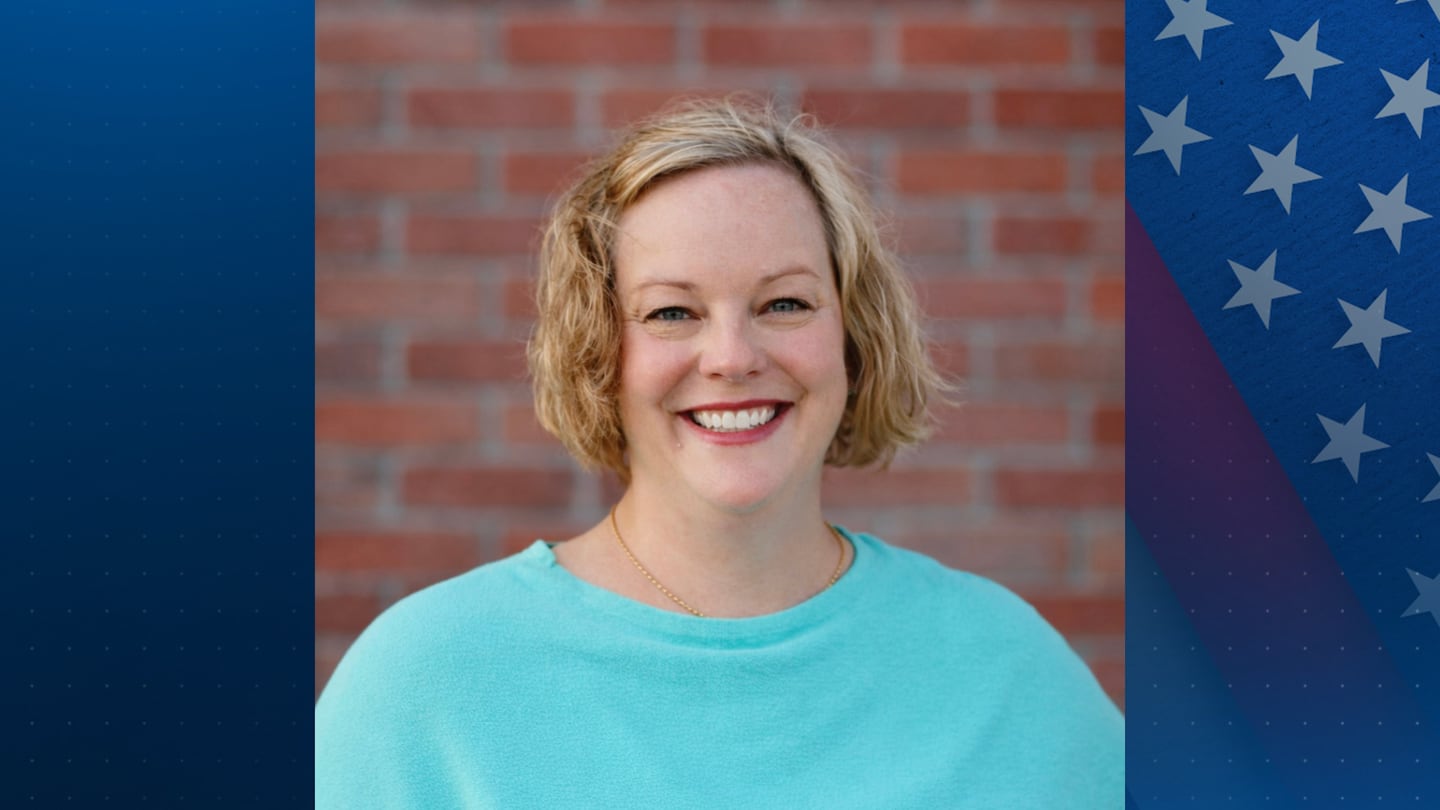
What is your occupation?
Director of Student Activities at Blythewood High School
Why are you running?
I am running for Superintendent of Education because I have been an educator for over 25 years, and that experience has shown me exactly what needs to be changed at the Department of Education. I know that my experience as an educator in the classroom and as an advocate outside the classroom will enable me to be a successful Superintendent of Education. Every decision I make as Superintendent of Education must benefit our students, teachers, and families.
What’s your top priority for education in the state, and how do you plan to address it?
My top priority for action as Superintendent of Education will be to restore credibility and faith in the office. The Superintendent of Education’s main function is to serve as an advocate for South Carolina’s students, teachers, and families. In recent years, education in South Carolina has become increasingly politicized. As Superintendent, I would ensure that every decision made benefits the students of South Carolina public schools, rather than serving any agenda.
What do you think the path to improving test scores and graduation rates in SC is?
The path to improving test scores and graduation rates in SC begins with improving attendance, focusing on early childhood reading growth, and tying high school graduation to more concrete ‘readiness’ standards. Chronic absenteeism is a strong warning signal that a student may fall behind their peers. Chronic absenteeism cases must be addressed early, rather than allowing the issue to compound over time. Similarly, we must increase our focus on early childhood reading expectations. If students are progressing to the next grade without the appropriate reading skills, it becomes more difficult to correct the problem as time goes on. Finally, we must reevaluate what our expectations are for high school graduates. Graduating from high school is one thing, but succeeding post-graduation is another. If we expect to improve both test scores and graduation rates, students must have the tools to succeed beyond the classroom.
How do you plan to address salary and retention concerns for teachers across the state?
Salary and retention concerns are some of the most pressing issues facing South Carolina. Put simply, teacher pay is still not where it should be in South Carolina. While I am proud of the progress we have made, partially due to the work of the SC for Ed, which I founded, there is more work to be done in raising starting teacher pay, while also ensuring that veteran teachers are receiving similar pay increases. Additional stipends for teachers in high-demand areas of the state may be a route that I would consider as Superintendent of Education. Much of the burnout that teachers across the state are experiencing can be attributed to working conditions. Teachers are frequently expected to give up their planning time or work beyond contract hours. As Superintendent, I would spearhead efforts to protect teachers from these additional burdens.
What sets you apart from your opponents?
The main factors that set me apart from my opponents are my classroom and advocacy experiences. Of the candidates in the race for Superintendent of Education, I have taught in the classroom the longest. Working in the classroom for over 25 years has shown me firsthand what the biggest problems facing our teachers are. In addition, I started SCforEd in 2018. What began as a closed Facebook group blossomed into a movement made up of educators from across the state, culminating in a rally of over 10,000 educators at the State House to push for teacher pay increases. My experience with SCforEd has shown me what is possible when teachers are brought together, rather than pushed apart with divisive rhetoric. Finally, as the Democratic nominee for this office in 2022, I was the highest vote-getting Democrat, with over 720,000 votes.
Sylvia Wright (D)
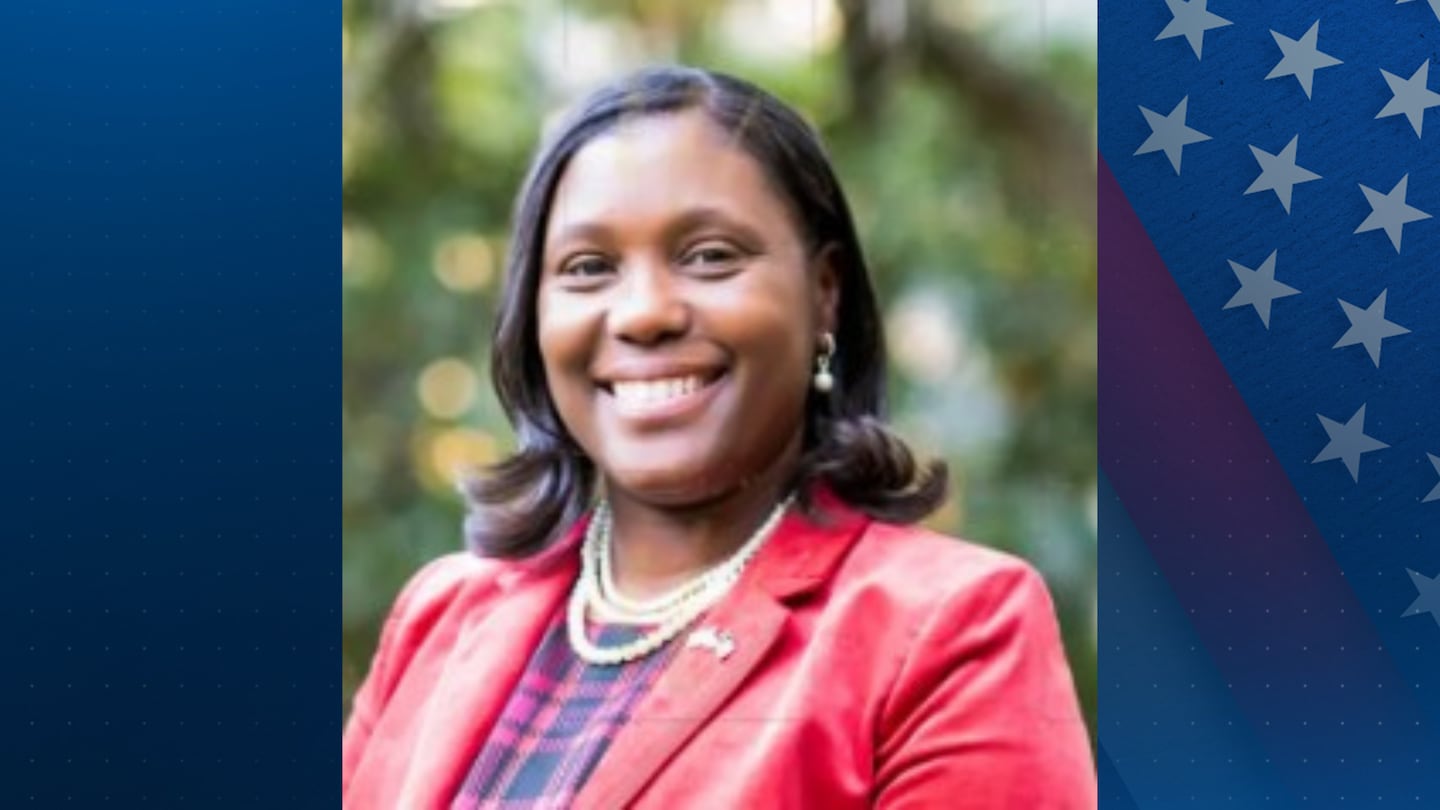
What is your occupation?
I am a lifelong educator and public servant. I have spent my career in South Carolina’s public schools, working alongside students, parents, and teachers, and I am running to be South Carolina’s next State Superintendent of Education.
Why are you running?
I am running because South Carolina’s children cannot wait any longer for leadership that actually shows up for them. We have a Department of Education that has spent more time chasing culture war headlines than fixing classrooms, and our kids are paying the price. Teachers are leaving the profession in droves. Rural districts are being left behind. Parents are losing faith. I am running to put public education back in the hands of people who actually believe in it.
I have sat in the teacher’s chair. I have looked parents in the eye and told them the truth about their child’s progress. I have watched bright students fall through the cracks because the system failed them, not because they failed. That experience is not optional for this job, it is essential. South Carolina deserves a Superintendent who knows what a classroom actually looks like on a Tuesday morning in February, and that is exactly what I will be.
What’s your top priority for education in the state and how do you plan to address it?
My top priority is simple: every child in South Carolina, in every ZIP code, deserves a great public school with a great teacher in front of them. Right now, that is not the reality. A child’s education in our state still depends far too much on where they happen to live, and that is unacceptable.
To fix it, I am going to do three things. First, I will fight for real investment in our educator workforce, because nothing matters more than the adult standing in front of the classroom. Second, I will close the resource gap between our wealthiest suburban districts and our rural communities, where schools have been doing more with less for decades. Third, I will modernize what we teach so our graduates are ready for the jobs South Carolina is actually creating, in advanced manufacturing, healthcare, technology, and the skilled trades.
This is not complicated, but it does require a Superintendent who will pick up the phone, work with the General Assembly, partner with local school boards, and refuse to take no for an answer. That is the job, and I am ready to do it.
What do you think the path to improving test scores and graduation rates in SC is?
There is no magic wand here, and anyone who tells you otherwise is selling something. But there is a proven path, and we know what works.
It starts with early literacy. If a child cannot read by third grade, every other subject becomes harder for the rest of their academic career. We have to get reading right, and we have to do it early. From there, the formula is straightforward: a strong teacher in every classroom, rigorous coursework that prepares students for college and career, and the wraparound supports, including counselors, mental health services, and family engagement, that help kids show up ready to learn.
We also have to be honest about something. A test score is a snapshot, not the whole picture. Behind every low score is a story, a child dealing with hunger, instability, trauma, or a school that simply does not have the resources it needs. If we are serious about raising achievement in South Carolina, we have to address what is happening outside the classroom too. That is how you move the needle, not by blaming teachers or chasing the latest fad out of the State House.
How do you plan to address salary and retention concerns for teachers across the state?
South Carolina has a teacher crisis, and we created it ourselves. We have spent years underpaying our educators, overloading their classrooms, second-guessing their professional judgment, and then acting surprised when they leave. Every teacher who walks out of a South Carolina classroom for North Carolina, Georgia, or another profession entirely is a loss we cannot afford.
As Superintendent, I will fight for a starting salary that is genuinely competitive in the Southeast, not just on paper but in practice. I will push for meaningful step increases that reward experience and keep our veteran educators in the building. And I will work to address the things that make teachers leave that are not about money, things like planning time, class size, administrative burden, and basic respect for educator expertise.
I will also expand the pipeline. That means real loan forgiveness for teachers who commit to our highest-need districts, housing support where it is needed, and strong partnerships with every college and university across South Carolina, including all of them, our HBCUs like South Carolina State, Claflin, Benedict, Allen, Morris, and Voorhees, our research institutions like the University of South Carolina, Clemson, and the Medical University of South Carolina, our regional universities like Winthrop, the College of Charleston, Coastal Carolina, Francis Marion, Lander, the Citadel, and South Carolina Upstate, our private colleges like Furman, Wofford, Presbyterian, Converse, Newberry, North Greenville, Anderson, Columbia College, Charleston Southern, Erskine, and Limestone, and every one of our technical colleges through the South Carolina Technical College System, alongside proven programs like Call Me MISTER to grow our own teachers right here at home. Every corner of our higher education system has a role to play in solving this crisis, and as Superintendent I will bring them all to the table. South Carolina kids deserve South Carolina teachers, and we have to invest like we mean it.
What sets you apart from your opponents?
Experience, perspective, and conviction. I have spent my career in South Carolina’s public schools, not on a political ladder. I am not running for this office to launch the next thing or to score points on cable news. I am running because I have not only seen what works in a classroom, at the school level, and at the district level, I have created and implemented the interventions and initiatives that elevated students, teachers, and entire schools. I know firsthand what it takes to move the needle in South Carolina, because I have done the work.
I also want to be clear about the choice in front of voters this cycle. There is a real difference between a candidate who believes in public education and a candidate who treats it as a political target. The current Superintendent has spent her time in office chasing culture war headlines, undermining educators, and pushing an agenda that puts ideology ahead of children. I reject that approach entirely. Public education is not the enemy. It is the single greatest tool of opportunity, mobility, and economic growth this state has. Every great South Carolina story, from the small business owner in Orangeburg to the engineer at Scout Motors in Blythewood, started in a public school classroom. When we attack public education, we are attacking our own future.
I will be a Superintendent who fights for every child, supports every teacher, listens to every parent, and tells every community the truth. No gimmicks, no culture war distractions, just a relentless focus on the work. That is what South Carolina needs, and that is exactly what I intend to deliver.
©2026 Cox Media Group

/cloudfront-us-east-1.images.arcpublishing.com/cmg/LH3JSJEF3VBLRJLJQESEAG34AM.png)


