CHARLOTTE — Dr. Minhaj Alam is training the next generation of researchers at UNC Charlotte by teaching engineering students to use AI to protect people’s eyes.
“It’s very useful in terms of in different settings,” said Alam, with the Department of Electrical and Computer Engineering at UNC Charlotte. “It can be used by primary care physicians, or, let us say, nurse practitioners, to refer patients to ophthalmologists.”
Alam is teaching AI how to review retina scans to identify the slightest changes years before a patient notices a difference in their vision.
“You don’t go to the doctor unless you feel unwell,” Alam said. “For vision, unless you’re having trouble seeing something, you’re not going to see an ophthalmologist.”
Alam explained how the technology helps patients who may not be able to get a diagnosis due to financial constraints.
“They don’t want to pay out of pocket for that extra visit, and often it’s quite costly,” Alam said. “It’s not, let’s say $5. It’s $100, so a majority of people who have low resources and low income, they really don’t want to see an ophthalmologist.”
Alam said the program works with any scan that takes high resolution pictures of the eye.
During a regular primary care visit, a family doctor or nurse practitioner can scan patients at risk for a serious eye condition and upload the images to the AI program.
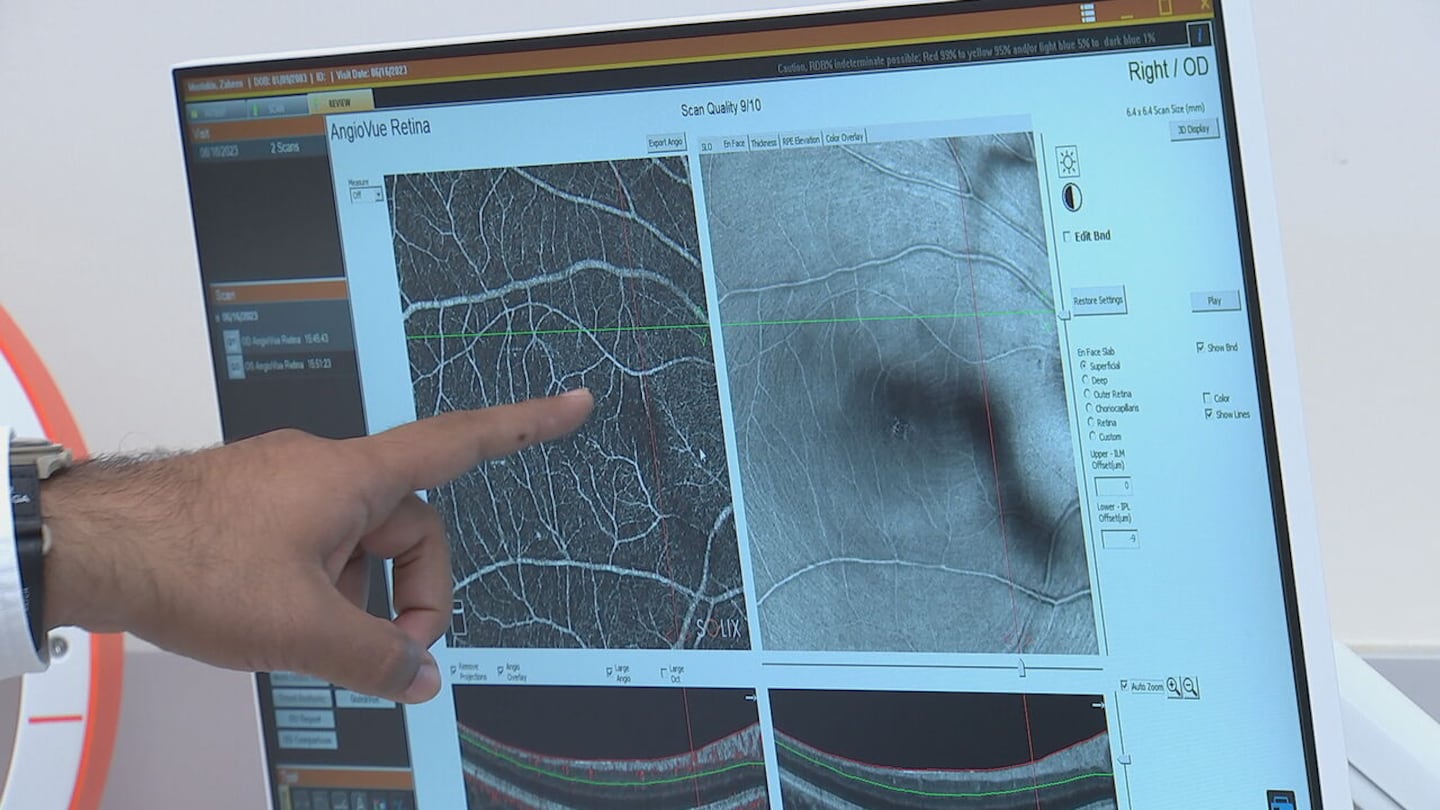
The clinic will get an analysis and possible diagnosis within seconds, alerting patients to serious conditions, such as diabetic eye disease.
The patient can take that information to a specialist for treatment.
“It is to know if the patient should see an ophthalmologist, and that’s the justification you can put in your chart,” Alam said.
Alam hopes one day the program can get FDA approval.
He believes it can be helpful for an initial diagnosis or a second opinion.
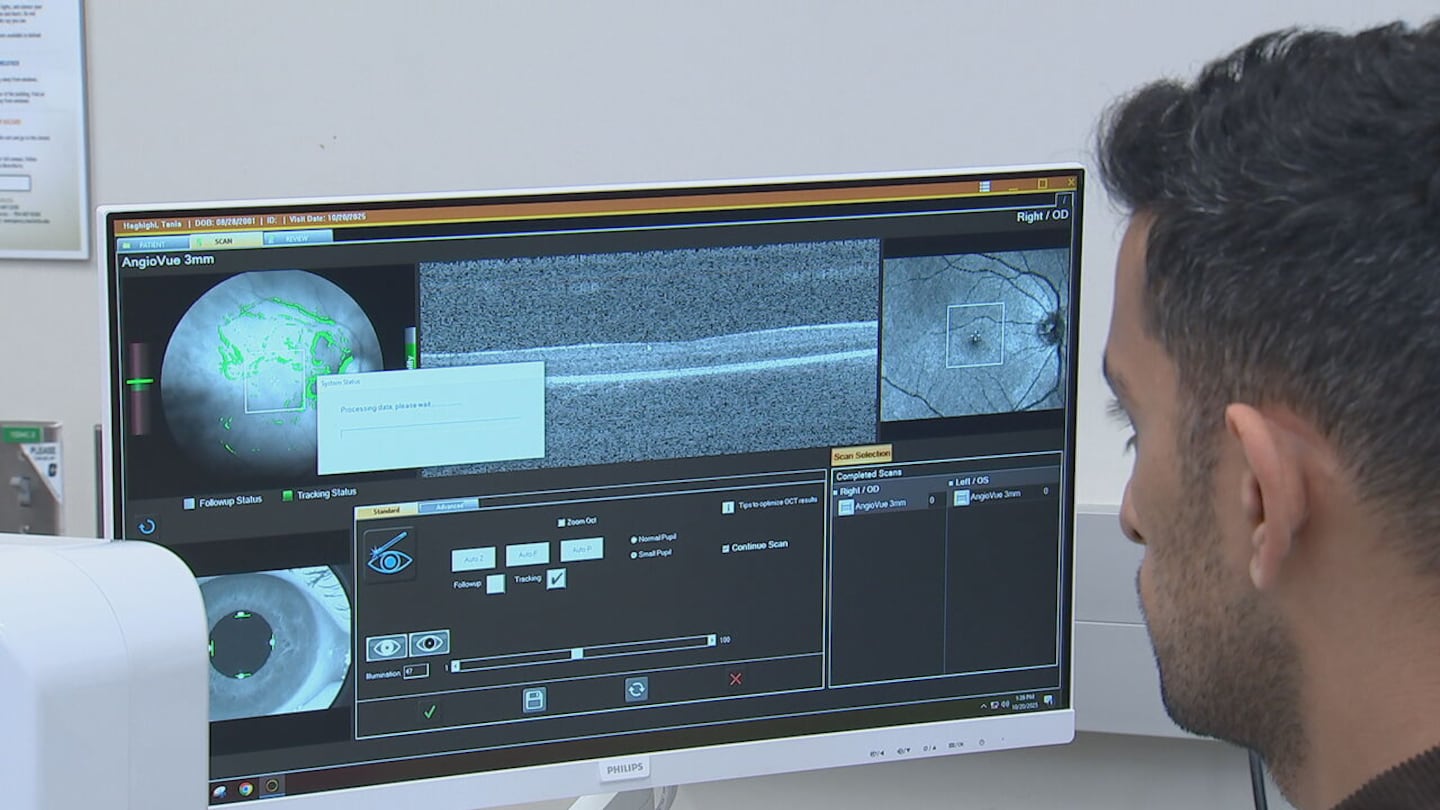
“The ultimate goal is to, of course, stop vision impairment and identify a disease as fast as possible,” Alam said.
Alam said his team is partnering with the nonprofit, Care Ring. The group provides health services for uninsured and under-insured patients.
In a few months, those physicians will be able to take retina scans for diabetic patients, then analyze them with UNC Charlotte’s AI program.
VIDEO: Consumer Reports: Limitations of home robotics and AI

©2025 Cox Media Group
/cloudfront-us-east-1.images.arcpublishing.com/cmg/LH3JSJEF3VBLRJLJQESEAG34AM.png)


