(AP) — Gov. Rick Scott announced the number of Zika cases likely spread by local mosquitoes had increased to 14 and asked Monday for a federal emergency response team to help the state combat the spread of the virus in the U.S.
The Centers for Disease Control and Prevention issued a travel guidance for people who have been in the Miami neighborhood where the Zika cases have been found.
Read the statement below:
New assessments of mosquito populations and test results this past weekend by Florida public health officials, as part of a community survey in the Miami neighborhood where several Zika infections were recently confirmed, have found persistent mosquito populations and additional Zika infections in the same area. This information suggests that there is a risk of continued active transmission of Zika virus in that area. As a result, CDC and Florida are issuing travel, testing and other recommendations for people who traveled to or lived in the Florida-designated areas on or after June 15, 2016, the earliest known date that one of the people could have been infected with Zika. At Florida's request, CDC is also sending a CDC Emergency Response Team (CERT) with experts in Zika virus, pregnancy and birth defects, vector control, laboratory science, and risk communications to assist in the response. Two CDC team members are already on the ground in Florida, three more will arrive today, and three more on Tuesday, Aug. 2.
Officials announced four cases on Friday, believed to be first people to contract the virus from mosquitoes within the 50 states. The CDC's emergency response team will help Florida officials in their investigation, sample collection and mosquito control efforts. The White House said the CDC team would be deployed to Florida "in short order."
Florida health officials said they've tested more than 200 people in Miami-Dade and Broward Counties after reports of local transmissions of the virus in early July. Of the 14 people infected, two are women and 12 are men.
"We will continue to keep our residents and visitors safe utilizing constant surveillance and aggressive strategies, such as increased mosquito spraying, that have allowed our state to fight similar viruses," Scott said in a statement.
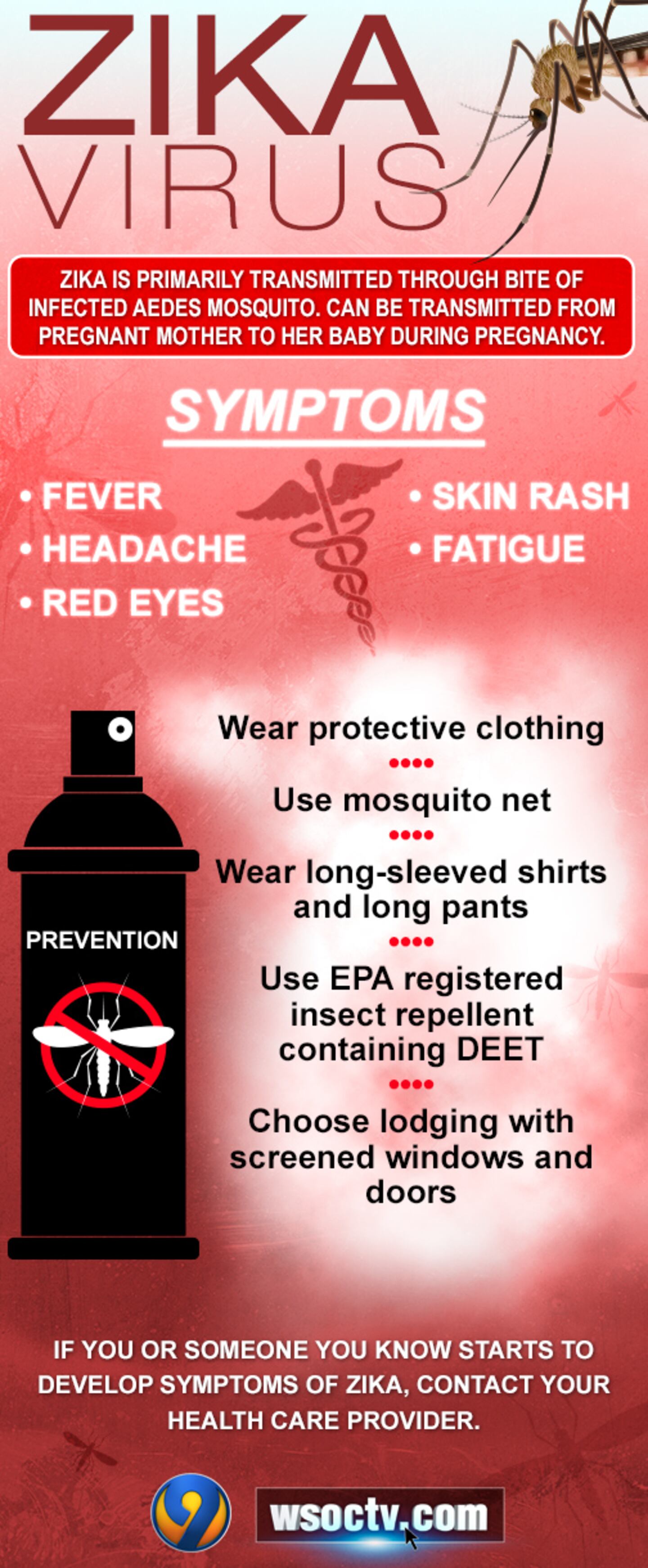
U.S. health officials do not expect widespread outbreaks of the sort seen in Brazil and in Latin America and the Caribbean, in part because of better sanitation, better mosquito control and wider use of window screens and air conditioners.
Although most people who get Zika don't know they're sick, infection during pregnancy can cause babies to be born with small heads and other brain-related birth defects.
The Florida infections are thought to have occurred in a small area just north of downtown Miami, in the Wynwood arts district.
The area, known for murals spray-painted across warehouses, art galleries, restaurants and boutiques, is rapidly gentrifying and has a number of construction sites where standing water can collect and serve as a breeding ground for mosquitoes.
Many walking the streets recently were unaware the virus had spread and confused about how the disease is transmitted.
Jordan Davison and Melissa Felix work for a cruise line and were enjoying their day off Monday looking at the murals in the neighborhood.
"It's not like a big thing right?" said 25-year-old Davidson. "It's kind of freaky — there's so much going on we didn't know, didn't really think about it ... I might wear bug spray going forward."
More than 1,650 cases of Zika have been reported in U.S. states that were linked either with travel or having sex with a returned traveler, another way the virus can spread.
Bakery owner Mariana Cortez isn't worried that Zika is going to keep locals and tourists from eating her delicious desserts.
"Mosquitoes are not enough of a reason to not come pick up your cake ... I don't think my business is going to be effected by Zika."
Watch Eyewitness News starting at 5 p.m. for Gina Esposito's report on how citizens are reacting to the new infections in the U.S.
Charlotte mothers take precautions against Zika
Erica Blank is excited about growing her family. She visited Freedom Park with her two kids on Monday. Her third pregnancy is a little different this time.
Blank’s doctor brought up concerns about the zika virus during her very first visit.
“I’ve just been under the impression that we should all be extra cautious during my whole pregnancy for sure,” said Blank.
The Zika virus has a direct impact on pregnant women or women who are trying to start a family.
Research shows an infected mother-to-be can spread the virus to her baby. The newborn may be born with microcephaly, a condition in which they have an abnormally small head and underdeveloped brain.
Florida Gov. Rick Scott said Monday that mosquitoes in Florida have spread the virus to 14 people.
In the Carolinas, Zika has been limited to travel-related cases.
Mother Sara Spritzer said it’s enough for her friends to think twice about a possible infection.
“Especially if you found out recently if you are pregnant ... thinking back in your mind. Like was I sick? Did I get bit? I don’t know. It’s definitely a concern for a lot of mom friends of mine,” Spritzer said.
Blank said there a few thing she’s doing to keep her and her family safe. She said, “Mostly just trying to stay inside after dusk and always wear bug spray when you are out.”
Doctors at Carolina HeathCare System recommend men and woman wear universal insect repellant at least through October.
Read more top trending stories on wsoctv.com:
- Investigation reveals how firefighter Bradley Long drowned in Lake Norman
- Crews release treated water from Whitewater Center into Catawba River
- Woman reunites with man who found her abandoned in phone booth 22 years ago
- Hot air balloon carrying at least 16 people crashes in Texas
- NASCAR pit crew member from Mooresville seriously injured at Pocono Raceway
Cox Media Group
/cloudfront-us-east-1.images.arcpublishing.com/cmg/LH3JSJEF3VBLRJLJQESEAG34AM.png)


